Season Recap
Shark Tank Season 12 Recap: Every Deal Worth Knowing
Season 12 by the numbers: 100 pitches, 71 deals, the biggest checks, and the products that are still selling.

The season that aired across 2020 and 2021 looks, on paper, like the moment Shark Tank finally figured out its own format. Seventy-one of the 100 companies that walked through the door left with a handshake. That is a 71 percent deal rate, a sharp jump from the 66 percent the show posted the year before, and it stands as one of the most generous stretches in the program's run. The sharks wrote checks totaling 21.8 million dollars. For a show built on the drama of rejection, this was a season where the word yes did most of the heavy lifting.
That number deserves a second look before anyone calls it a fluke. A jump from 66 to 71 percent is not noise. Something shifted in how deals got done, and the spread of the money across the room tells part of the story.
Why the Yes Rate Climbed
A rising deal rate can mean two very different things. It can mean the founders got better, or it can mean the sharks got hungrier. The honest answer is usually both, and Season 12 fits that pattern. Pitches that clear a 71 percent bar tend to be more polished, more coachable, and better rehearsed than the scrappy long shots of the early seasons. By this point in the show's life, appearing on the Tank was a known growth lever, and the people who made it to the carpet had usually done their homework on what closes a deal.
But hunger matters too. When sharks sense that a televised yes drives real sales the next morning, the cost of saying no rises. Passing on a winner is expensive in a way that passing on a dud never is, and a room full of investors who have all watched that lesson play out for a decade becomes a room that leans toward action. The math here, 71 deals against 100 pitches, is the kind of ratio you get when the incentives on both sides of the table point the same direction.
The Spark Charge Headliner
The biggest deal of the season went to Spark Charge, a portable electric-vehicle charging company that pulled in 1 million dollars for 10 percent of the business. Mark Cuban and Lori Greiner teamed up to make it happen. That pairing is worth pausing on, because it is a recurring signature rather than a coincidence. Cuban brings the appetite for scalable, infrastructure-flavored bets, and Greiner brings the retail and distribution muscle that turns a clever product into something people can actually buy.
A million-dollar check is large by Shark Tank standards, where most asks live in the 100,000 to 300,000 dollar range, but it is also a clean, round, confident number. There is no royalty gimmick attached to it in the headline terms, just equity for capital. That straightforwardness says something about how the sharks read the company: a clear product, a clear market, and a clear path to scale were worth a premium that season.
Where the Money Actually Went
The category mix in Season 12 reads like the show's greatest hits. Food and Drink led the way, followed by Home and Lifestyle, with Fashion and Beauty rounding out the top three. None of that is surprising, and that is precisely the point. These are the categories where consumers make fast, low-stakes decisions, where a single TV airing can move inventory overnight, and where a shark's existing relationships with retailers and manufacturers create immediate leverage. Investors gravitate toward businesses they know how to grow, and a decade of data had told them exactly which lanes pay off.
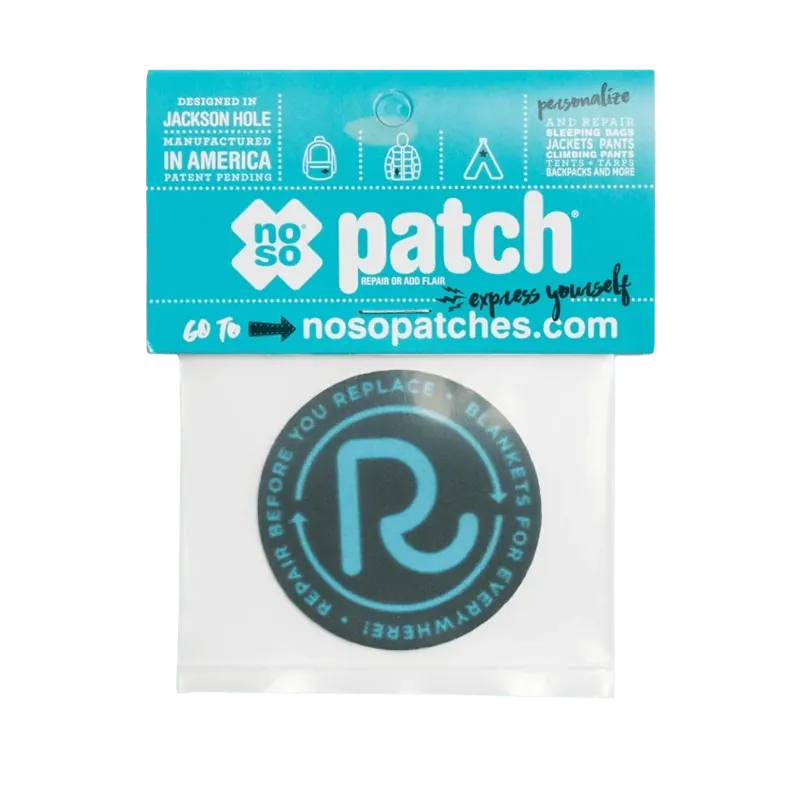
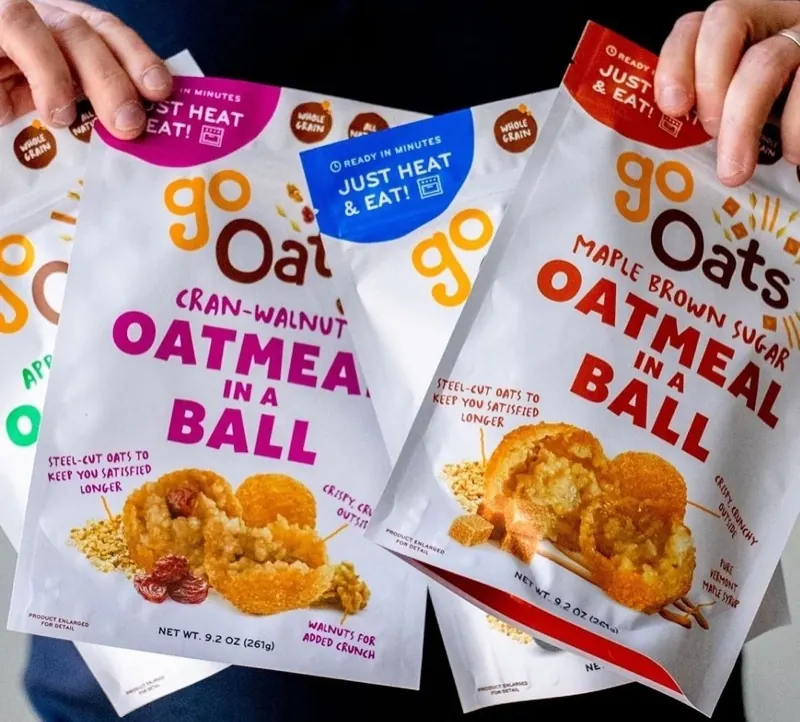
The lasting test of any season is not how many deals closed on camera but how many of those companies are still on shelves years later. Several Season 12 names cleared that bar. Rumpl, the technical blanket brand, is still selling. So is Go Oats, the oatmeal snack company, alongside P Nuff Crunch and Hug Sleep, the wearable blanket that turned a simple comfort idea into a real product line. Survival is the quiet metric that separates a good pitch from a good business, and these four kept going long after the applause faded.
Set against the show's longer history, Season 12 marks a kind of maturity. The deal rate would push even higher in the seasons that followed, but this was the stretch where the high-yes era really took hold and the round numbers on the checks got bigger. A 71 percent close rate, 21.8 million dollars deployed, and a handful of brands that outlived their episode add up to a season that was less about theatrical rejection and more about getting deals done. For anyone trying to understand how Shark Tank evolved from a gamble into a machine, this is a useful place to look.
Browse all 100 Season 12 products →
The season's biggest deals
- 1Spark Charge
Season 12 · Mark Cuban + Lori Greiner
$1,000,000
for 10%
- 2Nu Milk
Season 12 · Mark Cuban
$1,000,000
for 7%
- 3Larq
Season 12 · Lori Greiner + Kevin O'Leary
$1,000,000
for 4%
- 4Chirp
Season 12 · Lori Greiner
$900,000
for 2.5%
- 5Bee D'Vine
Season 12 · Mark Cuban + Lori Greiner + Robert Herjavec + Daniel Lubetzky
$750,000
for 40%
- 6Trophy Smack
Season 12 · Mark Cuban
$600,000
for 17%
- 7Fur Zapper
Season 12 · Lori Greiner
$600,000
for 15%
- 8Copper Cow Coffee
Season 12 · Robert Herjavec
$600,000
for 5.5%
- 9Hopscotch
Season 12 · Mark Cuban
$550,000
for 11%
- 10Truffle Shuffle
Season 12 · Mark Cuban
$501,000
for 18%
Season 12 products still selling today
These pitches turned the season's exposure into a lasting business, and you can still buy them:
 No Deal
Rumpl
high performance blankets
 Deal
DealGo Oats
Oatmeal in a ball
 Deal
DealP Nuff Crunch
non-gmo, plant-based, puffed peanut snack
 Deal
DealHug Sleep
wearable blanket
All 100 Season 12 pitches
Browse the full season episode by episode, with deal terms and where to buy each product.