Season Recap
Shark Tank Season 5 Recap: Every Deal Worth Knowing
Season 5 by the numbers: 116 pitches, 60 deals, the biggest checks, and the products that are still selling.

Season 5 is where Shark Tank stopped acting like a curiosity and started writing checks like a real fund. It aired across 2013 and 2014. It ran 116 pitches and closed 60 of them. That is a 52 percent deal rate, a small step up from the 50 percent founders saw the year before. The sharks committed $16.3 million on air that season.
Sit with the 52 percent for a second. Nearly half the people who walked in walked out with nothing. The show was getting bigger and bolder, but it was not getting soft. That tension runs through the whole season, and most recaps skip right past it.
The Two Million Dollar Swing
The biggest deal of the year had nothing to do with food or gadgets. It was Ten Thirty One Productions, a live haunted-attraction company. Mark Cuban put up $2,000,000 for 20 percent, and he did it alone.
Consider how far outside the norm that is. A typical Shark Tank deal lives between $100K and $300K. Cuban wrote a check roughly ten times that, on a business that scares people for a living. The signal was clear. The sharks were no longer just bankrolling clever inventions with a prototype and a dream. They were buying companies with real scale.
That single number reframes the season. A two million dollar bet on a seasonal scare business is not a hobby investment. It is a statement that the Tank had become a place where serious money moved on national television. Season 5 made that shift loud.
What Got Pitched and What Won
The category mix tells you who showed up. Food and Drink led the season. Home and Lifestyle came next. Kids and Education rounded out the top three.
There is logic in that order. Food pitches let sharks taste the product on camera, and they scale through retail in a way investors grasp fast. Home and Lifestyle is the steady bench of the show, an endless supply of practical fixes for everyday annoyances. Kids and Education cracking the top three is the telling one. Parents buy without flinching, and the sharks know it.
A category list only shows what got pitched, though, not what closed. The 52 percent rate fills in the rest. A strong product in a hot category was never a guaranteed yes. The room stayed a gauntlet even as the dollar figures climbed.
The Ones Still on Shelves
The real test of a season is not what happened on air. It is what survived after the cameras left. Several Season 5 companies are still selling today, and the list says plenty about which bets actually held.
Freeloader is one. Hamboards is another, the oversized longboards built to feel like surfing on pavement. Slawsa, the slaw-meets-salsa condiment, is still on shelves and still dividing dinner tables. And Grace and Lace, the apparel brand, kept growing well past its episode.
Notice the pattern. None of those four are flashy. They are a carrier, a board, a jar of condiment, and a clothing line. They lasted because they were useful, not because they went viral. That is the quiet lesson buried in every season of this show, and it is loud in this one.
Four lasting names out of 60 deals is not a knock. It is the math of early-stage investing. Most bets never become household names. The ones that stick around for a decade earned it the hard way, by keeping customers coming back long after the episode aired.
Why Season 5 Was a Hinge
Look at the arc. Season 5 sat at 52 percent, up from 50. A modest climb, but it came in a year when the show was clearly stress-testing its own limits. The deal rate stayed controlled while the dollar amounts ran wild. Those two facts pulling against each other are what make the season worth studying.
That combination is the point. The sharks got more willing to write enormous checks, but they kept their standards. The $16.3 million spread across 60 deals proves the appetite was there. The rejections prove the bar was too. You do not get a $2 million haunt deal and a roughly even failure rate in the same season by accident. You get it when investors are hungry and disciplined at once.
If you want to understand how Shark Tank turned into a serious venture engine instead of a novelty pitch show, Season 5 is where you can watch it happen in real time. The money got bigger. The judgment stayed sharp. And the brands still on shelves today are the receipts. The full deal-by-deal breakdown sits below.
Browse all 116 Season 5 products →
The season's biggest deals
- 1Ten Thirty One Productions
Season 5 · Mark Cuban
$2,000,000
for 20%
- 2Rugged Maniac
Season 5 · Mark Cuban
$1,750,000
for 25%
- 3Breathometer
Season 5 · Mark Cuban + Lori Greiner + Robert Herjavec + Daymond John + Kevin O'Leary
$1,000,000
for 30%
- 4Ruffle Butts
Season 5 · Lori Greiner
$600,000
for 9%
- 5Cycloramic
Season 5 · Mark Cuban + Lori Greiner
$500,000
for 15%
- 6Plated
Season 5 · Mark Cuban
$500,000
for 5.6%
- 7Angellift
Season 5 · Lori Greiner
$500,000
for 15%
- 8Oru Kayak
Season 5 · Robert Herjavec
$500,000
for 25%
- 9Better Life
Season 5 · Lori Greiner
$400,000
for 17%
- 10Happy Feet
Season 5 · Robert Herjavec
$375,000
for 25%
Season 5 products still selling today
These pitches turned the season's exposure into a lasting business, and you can still buy them:
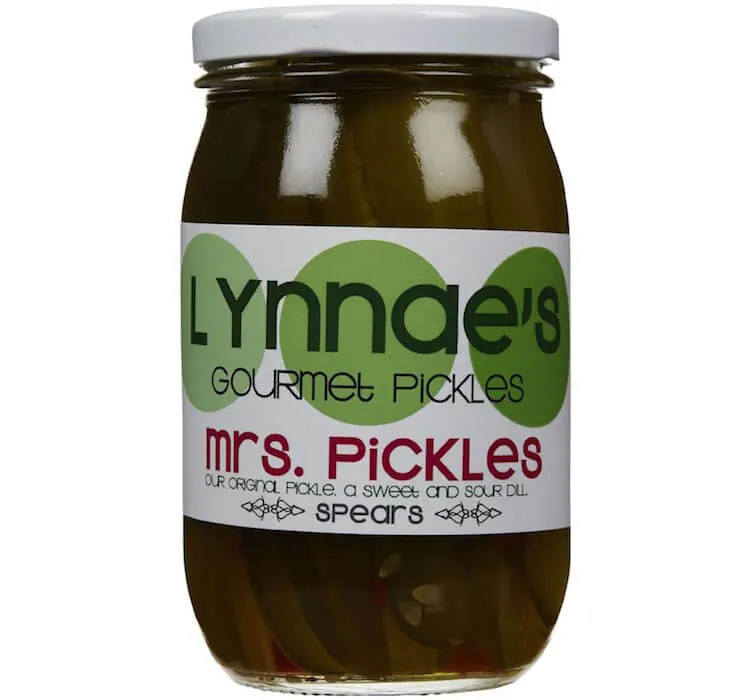 No Deal
Lynnaes Gourmet Pickles
Specialty Food
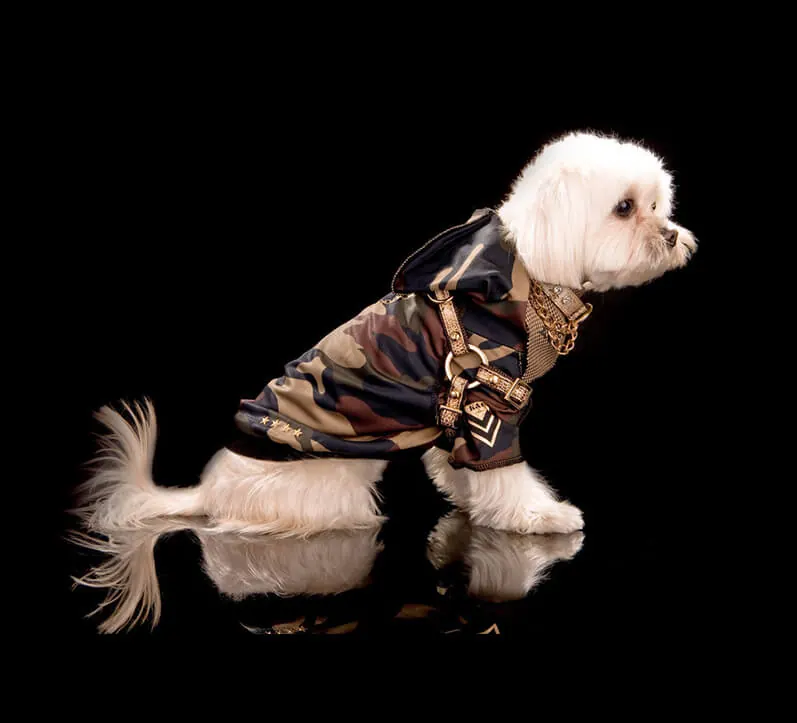 Deal
DealKane & Couture
Dog Clothes - Pet Products
 No Deal
Man Medals
Novelties
 Deal
DealFreeloader
Child Carrier - Baby and Child Care
All 116 Season 5 pitches
Browse the full season episode by episode, with deal terms and where to buy each product.