Season Recap
Shark Tank Season 13 Recap: Every Deal Worth Knowing
Season 13 by the numbers: 96 pitches, 64 deals, the biggest checks, and the products that are still selling.
By the time Season 13 rolled around in 2021, Shark Tank had stopped being the scrappy little experiment it once was and had settled into something closer to a well-oiled deal machine. The numbers from this run tell that story plainly. Founders walked into the Tank 96 times across the season, and 64 of those pitches walked back out with a handshake. That works out to a 67 percent deal rate, which sounds fantastic until you realize it actually dipped from the 71 percent the show posted the year before. Not a collapse by any means, just a small step back after a couple of unusually generous seasons.
The sharks wrote checks adding up to 21.3 million dollars over the course of the year. Spread across 64 deals, that is a healthy chunk of money, and it tracks with where the show had landed by this point: more pitches getting funded, more entrepreneurs leaving happy, and the panel clearly comfortable opening the wallet for ideas they believed in. If you want a snapshot of mature, confident Shark Tank, Season 13 is a pretty clean one.
The Plunge That Topped the Season
Every season has its headline deal, and in Season 13 that honor went to Plunge. Robert Herjavec put up 1.2 million dollars for a 12 percent stake, making it the single biggest investment of the year. It is worth sitting with that for a second. A million-plus dollar check on Shark Tank is genuinely rare. The show runs on much smaller numbers most nights, so when a shark commits that kind of capital for a relatively modest slice of equity, it signals real conviction about where the business is headed.
Herjavec has always carried a reputation as the panel member who does his homework, the one who asks the unglamorous questions about margins and logistics while everyone else is reacting to the pitch theater. So a deal this size from him is not an impulse buy. It is the kind of bet a shark makes when the unit economics already make sense and he just wants in before the window closes.
Where the Money Actually Went
If you look at what categories drew the most attention in Season 13, the lineup will feel familiar to anyone who watches regularly. Food and Drink led the pack, followed by Home and Lifestyle, then Fashion and Beauty. That trio shows up at the top of season after season, and there is a logical reason for it. These are products the sharks can understand in thirty seconds, products with broad consumer appeal and clear paths to retail or online sales. A clever snack or a smart household gadget does not require the panel to take a flyer on unproven technology.
It also reflects who pitches in the first place. The Tank has always attracted a heavy flow of consumer-product founders, people with something you can hold, taste, or wear. Big, capital-hungry tech plays are the exception, not the rule, and Season 13 stuck firmly to that pattern. The deals that closed were overwhelmingly the kind of accessible, everyday businesses that built the show's brand.
The Ones Still On Shelves Today
The real test of any season is not how the pitches looked on TV but which companies are still standing years later. Plenty of Shark Tank businesses fade after their moment in the spotlight, so the survivors are the ones worth tracking. From this season, a handful are still selling: Kin Apparel, Lion Latch, Magic 5, and Soa Pen. That mix is a nice cross-section of what the season was about, spanning clothing, a small organizer accessory, custom swim gear, and a kids product.
None of these are household names on the scale of the show's all-time breakouts, and that is honestly fine. Surviving in consumer goods is brutal, and simply being around years after the cameras left puts these companies ahead of most. A televised deal gets you a burst of attention and a shark in your corner, but staying on shelves takes everything the cameras never show: reorders, retail relationships, inventory math, and a product people actually come back for. The fact that these four are still in the game says the underlying businesses had more than a good pitch behind them.
Taken as a whole, Season 13 reads like Shark Tank operating at cruising altitude. The deal rate eased slightly, the money kept flowing, the categories stayed comfortably in the show's wheelhouse, and one standout investment from Herjavec gave the season its marquee moment. It may not be the flashiest year in the show's history, but it is a clean illustration of what the program looks like once it knows exactly what it is.
Browse all 96 Season 13 products →
The season's biggest deals
- 1Plunge
Season 13 · Robert Herjavec
$1,200,000
for 12%
- 2Magic 5
Season 13 · Robert Herjavec
$1,000,000
for 6.5%
- 3Sunflow
Season 13 · Kevin O'Leary
$1,000,000
for 5%
- 4UMARO
Season 13 · Mark Cuban
$1,000,000
for 7%
- 5Cup Bop
Season 13 · Mark Cuban
$1,000,000
for 5%
- 6Ade+Ayo
Season 13 · Barbara Corcoran
$700,000
for 33.3%
- 7Do Amore
Season 13 · Daniel Lubetzky
$600,000
for 15%
- 8Stryx
Season 13 · Robert Herjavec
$600,000
for 10%
- 9The Transformation Factory
Season 13 · Mark Cuban + Kevin Hart
$600,000
for 20%
- 10Songlorious
Season 13 · Mark Cuban + Daymond John + Kevin O'Leary + Peter Jones
$500,000
for 40%
Season 13 products still selling today
These pitches turned the season's exposure into a lasting business, and you can still buy them:
 Deal
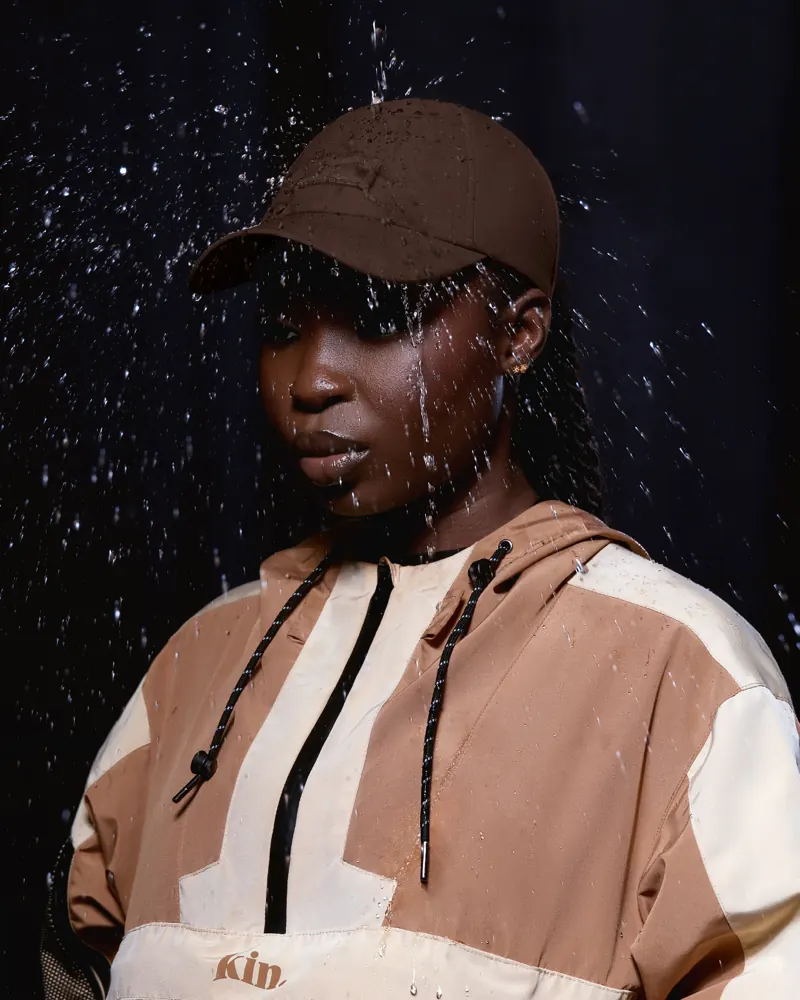
DealKin Apparel
Satin Lined Hoodies Hats
 No Deal
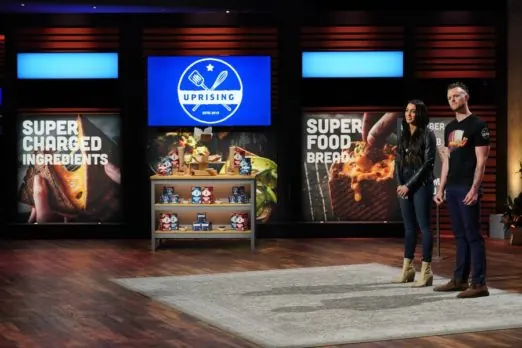
Uprising Bread
Low Carb gluten-free breads
 No Deal
Lion Latch
Portable jewelry box
 No Deal
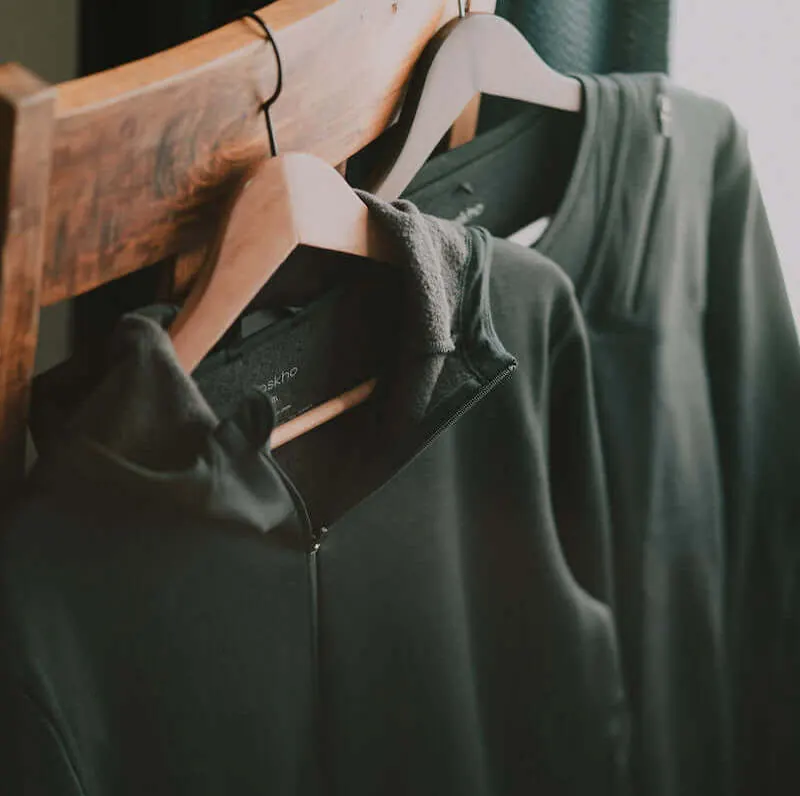
Pashko
Community-made apparels
All 96 Season 13 pitches
Browse the full season episode by episode, with deal terms and where to buy each product.