Season Recap
Shark Tank Season 2 Recap: Every Deal Worth Knowing
Season 2 by the numbers: 36 pitches, 19 deals, the biggest checks, and the products that are still selling.
A funny thing happens when a new show survives its first season. The second one stops being an experiment and starts being a real business, and the people running it begin to act like they believe in it. Shark Tank's second run, which aired in 2011, is the season where you can watch that shift happen in the numbers. The sharks loosened their grip. They wrote bigger checks. And a few of the deals they made that year are still moving product on shelves more than a decade later.
The headline stat is the one worth sitting with. Across 36 companies that pitched in Season 2, the sharks closed 19 deals. That is a 53 percent strike rate, up from 42 percent the season before. An eleven-point jump in a single year is not noise. It is a panel that has figured out the format, trusts the audience, and has decided that walking away from a decent founder is more expensive than the equity they give up by saying yes.
The Money Got Serious
Total capital deployed in Season 2 came to roughly $4.0 million. That is real money for a show that, one season earlier, was still proving people would watch entrepreneurs sweat under studio lights. Spread across 19 deals, the average commitment lands in the low six figures, which tracks with the kind of consumer products and small retail concepts that dominated the early years.
The standout, and it is a strange one, is HyConn. Mark Cuban put up $1,250,000 for the company, and the structure is what makes it memorable. He took 100 percent equity. Not a slice, not a majority stake with the founder riding along. The whole thing. That is less a typical Shark Tank investment and more an acquisition dressed up as a pitch, and it remains one of the more aggressive single moves in the show's history. When a shark buys you outright on national television, the negotiation has stopped being about partnership and started being about price.
Where the Bets Landed
The category mix in Season 2 reads like a snapshot of what the sharks believed ordinary Americans would actually buy. Fashion and beauty, food and drink, and home and lifestyle were the three deepest pools of activity. None of that is glamorous. There is no biotech, no enterprise software, no moonshot. It is closets, kitchens, and living rooms, which is exactly the inventory a panel of consumer-product veterans knows how to evaluate on instinct.
That conservatism is part of why the strike rate climbed. The sharks were not stretching into territory they did not understand. They were funding things they could picture on a store shelf, and that confidence shows up directly in how often they said yes. A panel betting inside its competence closes more deals, and Season 2 is the proof of concept for the formula the show would lean on for years.
The Survivors
The real test of any Shark Tank season is not what got funded. It is what is still on the market when you go looking years later. Season 2 holds up unusually well on that count. Four of its products are still selling: Wurkin Stiffs, the magnetic collar-stay company; Hillbilly Brand; Daisy Cakes; and CitiKitty, the cat-toilet-training kit that became one of the show's quietly durable success stories.
What ties those four together is that none of them are complicated. They solve a small, specific, slightly annoying problem, and they do it cheaply enough that a customer does not have to think hard about the purchase. That is the kind of product that outlasts the hype cycle of a TV appearance, and it is a useful lesson buried in the data. The flashy million-dollar deal grabs the segment, but the businesses that endure tend to be the modest ones with an obvious reason to exist.
Season 2 is where Shark Tank stopped auditioning and started operating. The deal volume climbed, the checks got bigger, and a handful of unglamorous products proved they could survive long after the cameras left. If you want to understand why the show became a franchise rather than a curiosity, this is the season where the engine first turned over and kept running.
Browse all 36 Season 2 products →
The season's biggest deals
- 1HyConn
Season 2 · Mark Cuban
$1,250,000
for 100%
- 2First Defense Nasal Screen
Season 2 · Mark Cuban + Robert Herjavec + Daymond John
$750,000
for 30%
- 3One Sole
Season 2 · Daymond John
$500,000
for 35%
- 4Toygaroo
Season 2 · Mark Cuban + Kevin O'Leary
$200,000
for 35%
- 5Aldo Orta Jewelry
Season 2 · Barbara Corcoran
$180,000
for 45%
- 6Origaudio
Season 2 · Robert Herjavec
$150,000
for 15%
- 7Wurkin Stiffs
Season 2 · Barbara Corcoran + Daymond John
$100,000
for 40%
- 8Tippi Toes
Season 2 · Barbara Corcoran + Mark Cuban
$100,000
for 30%
- 9Flipoutz
Season 2 · Daymond John
$100,000
for 25%
- 10Fridge Fronts
Season 2 · Barbara Corcoran + Kevin O'Leary
$100,000
for 50%
Season 2 products still selling today
These pitches turned the season's exposure into a lasting business, and you can still buy them:
 Deal
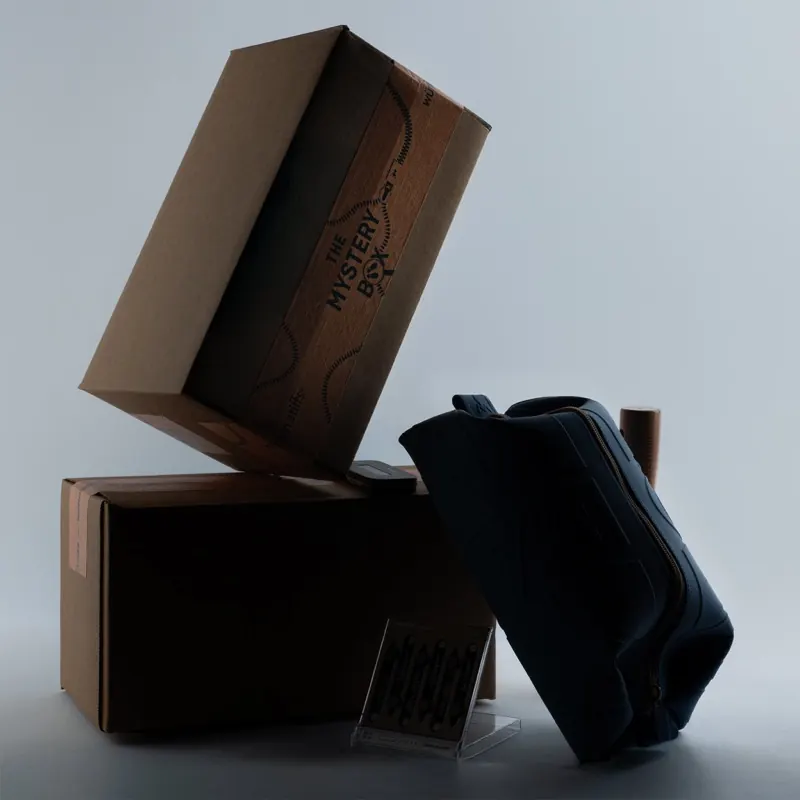
DealWurkin Stiffs
Men's Accessories
 No Deal
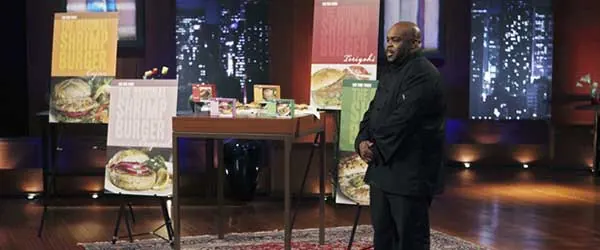
CBS Foods
Specialty Food
 No Deal
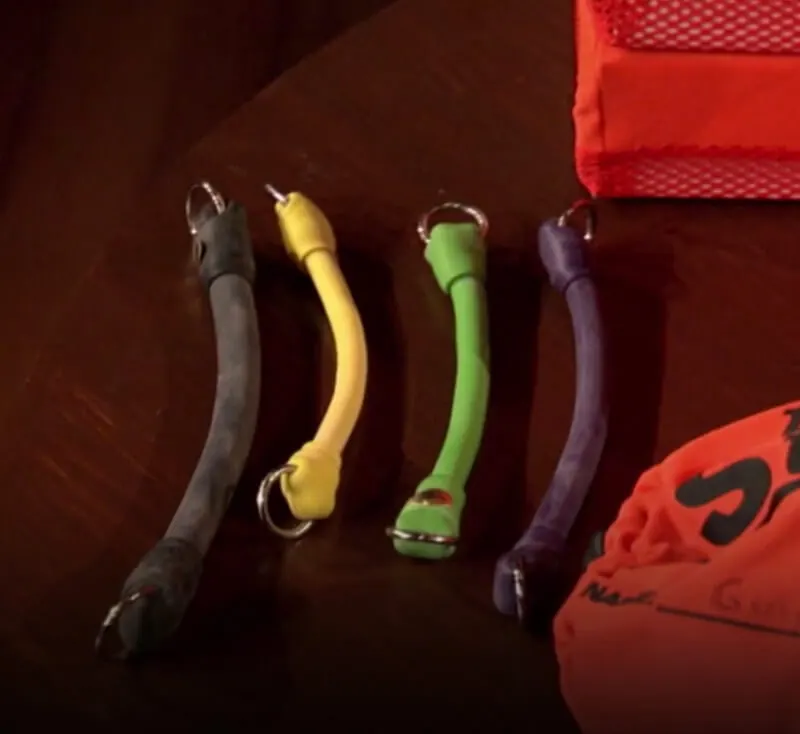
Fitness Stride
Fitness Apparel and Accessories
 No Deal
Pure Ayre
Storage and Cleaning Products
All 36 Season 2 pitches
Browse the full season episode by episode, with deal terms and where to buy each product.