Season Recap
Shark Tank Season 1 Recap: Every Deal Worth Knowing
Season 1 by the numbers: 64 pitches, 27 deals, the biggest checks, and the products that are still selling.

Before the brand built around it, before the eight-figure exits and the household names, there was a single rough season nobody was sure would get renewed. Shark Tank's first run aired across 2009 and 2010, and the numbers from that stretch read like a startup finding its footing in real time. Of the 64 businesses that pitched, only 27 walked away with a deal. That is a 42 percent success rate, the lowest of any season the show has produced. The sharks were cautious, the founders were unpolished, and the format had not yet figured out what it wanted to be.
That caution shows up in the money. The panel committed roughly $4.9 million across the entire season. Spread over 27 deals, that is a thin average by the standards the show would later set, and it reflects a panel still treating the Tank like a place to make careful bets rather than splashy ones. The biggest check of the year went to Jump Forward, a $600,000 deal in which Robert Herjavec and Kevin O'Leary took a combined 50 percent of the company. A half-million-dollar swing for half the equity tells you everything about the leverage sharks held when founders had nowhere else to turn on national television.
A 42 Percent Rate That Looks Strange Now
The 42 percent deal rate is the most revealing statistic from this season, mostly because of where the show went afterward. Compare it to recent seasons, where deal rates have climbed into the high sixties and low seventies, and Season 1 looks like a different program entirely. The early sharks were skeptical of valuations, wary of unproven founders, and willing to send people home empty-handed far more often than they do today.
Part of that gap is selection. By the time founders pitch on a recent season, they have studied the show, sharpened their numbers, and arrived with traction. In 2009 there was no playbook to study. Entrepreneurs were walking into a televised negotiation cold, and it showed in how often the deals fell apart on screen. The low conversion rate was not a failure of the concept. It was the concept being road-tested in public for the first time.
Where the Money Went
The category mix in Season 1 leaned toward Food and Drink, Fashion and Beauty, and Kids and Education. That is a telling spread. These are the businesses an average viewer can immediately understand: things you eat, things you wear, things you buy for your children. The show was casting wide and accessible, building pitches around products a living-room audience could picture using rather than complex technology or business services.
Jump Forward, the season's largest deal, stands as the outlier in both size and structure. A $600,000 investment for 50 percent ownership is the kind of even split that became rarer as founders grew savvier about protecting equity. Herjavec and O'Leary teaming up on it also previews a pattern that would define the show: when two sharks combine forces, the founder loses most of the negotiating room. That dynamic was already live in the very first season.
The Survivors
The truest measure of any Shark Tank season is not what got a deal on air but what is still on a shelf years later. By that standard, Season 1 produced a small but durable group. Pork Barrel BBQ Sauce, Cornucopia Express, Caffeindicator, and Qubits are all still selling, which is a respectable hit rate for a season that aired more than a decade and a half ago.
Pork Barrel BBQ Sauce is the standout here, a Food and Drink play that fits the season's appetite for accessible consumer products and managed to outlast most of its competition. That a condiment brand from the first season is still moving units says something about the kind of business that endures: simple, repeatable, and built on a product people reorder rather than buy once. The flashier pitches faded. The barbecue sauce stuck around.
Viewed from the present, Season 1 functions less as a highlight reel and more as a baseline. The 42 percent deal rate, the $4.9 million in total investment, and the cautious $600,000 ceiling all became the floor the show climbed away from. Every season since has been, in some sense, a measurement against this one. The full breakdown of the season's deals and survivors sits below, but the headline is simple: this is where a $253 million franchise started small.
Browse all 64 Season 1 products →
The season's biggest deals
- 1Jump Forward
Season 1 · Robert Herjavec + Kevin O'Leary
$600,000
for 50%
- 2A Perfect Pear
Season 1 · Robert Herjavec + Kevin O'Leary
$500,000
for 50%
- 3Hells Bells Helmets
Season 1 · Daymond John
$500,000
for 50%
- 4Mr. Tod's Pie Factory
Season 1 · Barbara Corcoran + Daymond John
$460,000
for 50%
- 5Soy-Yer-Dough
Season 1 · Robert Herjavec + Daymond John + Kevin O'Leary
$300,000
for 51%
- 6Classroom Jams
Season 1 · Barbara Corcoran + Mark Cuban + Robert Herjavec + Daymond John + Kevin O'Leary
$250,000
for 100%
- 7Stress Free Kids
Season 1 · Barbara Corcoran
$250,000
for 50%
- 8Gayla Bentley Fashion
Season 1 · Barbara Corcoran + Daymond John
$250,000
for 50%
- 9Gift Card Rescue
Season 1 · Robert Herjavec + Kevin O'Leary
$200,000
for 50%
- 10Caffeindicator
Season 1 · Kevin Harrington
$200,000
for 50%
Season 1 products still selling today
These pitches turned the season's exposure into a lasting business, and you can still buy them:
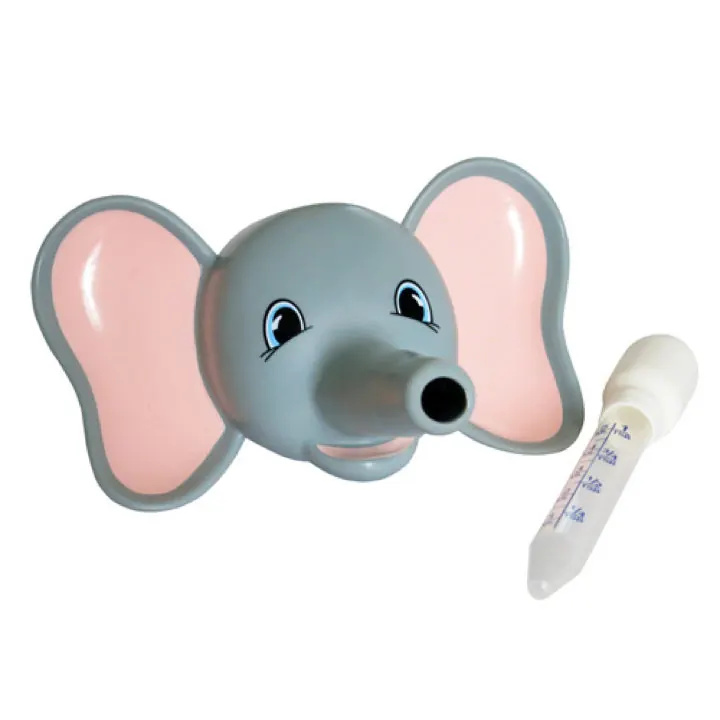 Deal
DealAva The Elephant
Baby and Child Care
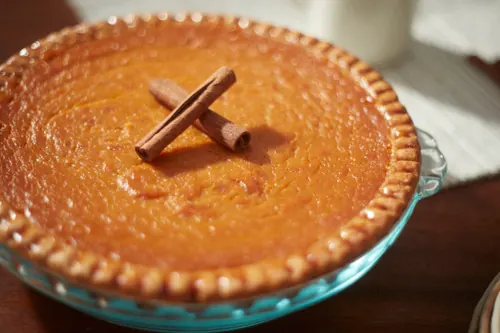 Deal
DealMr. Tod's Pie Factory
Specialty Food
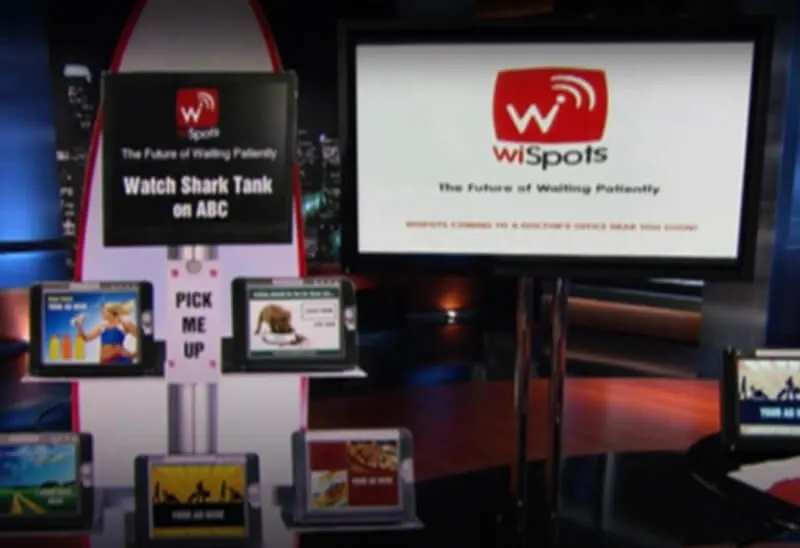 No Deal
Wispots
Consumer Services
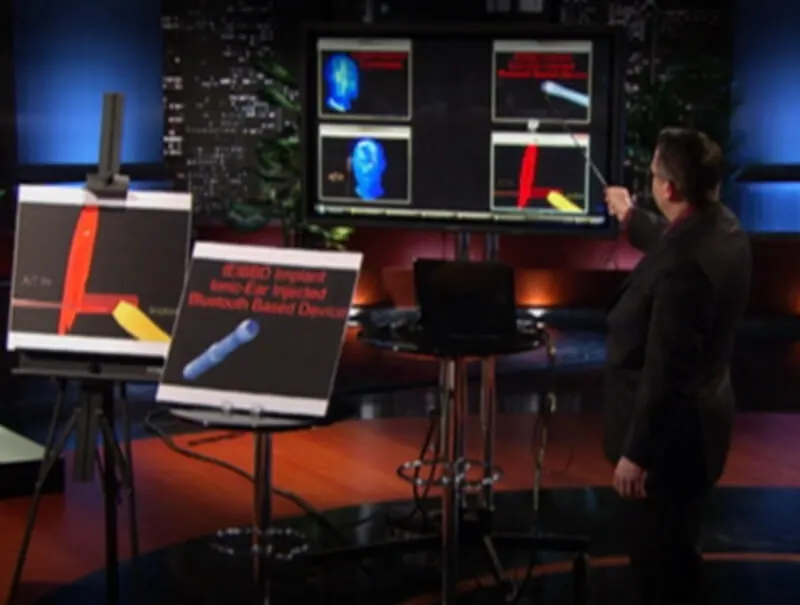 No Deal
Ionic Ear
Novelties
All 64 Season 1 pitches
Browse the full season episode by episode, with deal terms and where to buy each product.