Season Recap
Shark Tank Season 6 Recap: Every Deal Worth Knowing
Season 6 by the numbers: 116 pitches, 66 deals, the biggest checks, and the products that are still selling.
Something shifted in the Tank during the 2014 to 2015 stretch. After five seasons of measured checkbooks, the sharks suddenly opened the vault. Season 6 saw $26.2 million flow out across 66 deals, the largest single-season investment total the show had produced up to that point and a number that still towers over the seasons that followed. For context, the next year would actually see less money committed despite the same number of closings. Season 6 was the high-water mark, the moment the panel decided to stop nibbling and start swallowing companies whole.
The deal rate tells the same story from a different angle. Season 6 closed at 57 percent, a jump from the 52 percent of the prior season and the first time the show cleared the halfway mark with real distance to spare. Out of 116 companies that walked the carpet, 66 left with money. The sharks were not just spending more. They were saying yes more often, and the size of the checks they were writing had quietly changed the math of what an appearance was worth.
The $5 Million Swing That Broke the Format
The headline of the season, and arguably of the entire series, was AirCar. Robert Herjavec wrote a $5 million check for 50 percent of the company, the single largest investment in Shark Tank history at the time and a figure that no deal has topped since within this dataset. Set that against the show's normal operating range of roughly $100,000 to $300,000 and the scale becomes absurd. AirCar was not a tweak to the typical pitch. It was a deal an order of magnitude larger than the median, struck in a season that was already pushing every spending record the show kept.
Herjavec was not done. The same season he committed $3 million to SynDaver Labs for 25 percent, a synthetic-cadaver business that sat at the opposite end of the spectrum from the gadgets and snack brands the show usually trafficked in. Two of the largest deals in the show's history landed in the same season, both from the same shark, both in categories that demanded conviction rather than the quick retail instincts the panel usually leaned on. It is hard to overstate how unusual that concentration was.
Where the Money Actually Went
Beyond the marquee numbers, Season 6 leaned into the categories that have always defined the show. Fashion and Beauty, Home and Lifestyle, and Food and Drink were the three busiest lanes, the same consumer-product comfort zone where the sharks feel they can add distribution and marketing muscle. That mix matters because it explains why the deal rate climbed. These are categories the panel understands cold, where due diligence is fast and the path to shelves is obvious. Volume in familiar territory is how you push a close rate from 52 to 57 percent.
Kevin O'Leary, true to form, found a way to deploy real capital without taking on the risk of a controlling stake. His $2.5 million bet on Zipz, the single-serve wine company, bought just 10 percent. That structure is the O'Leary signature in miniature: large dollar figure, modest equity, careful downside. Place it beside Herjavec's 50 percent grab of AirCar and you get a clean snapshot of two opposite investing temperaments operating in the same room on the same nights.
What Survived the Spending Spree
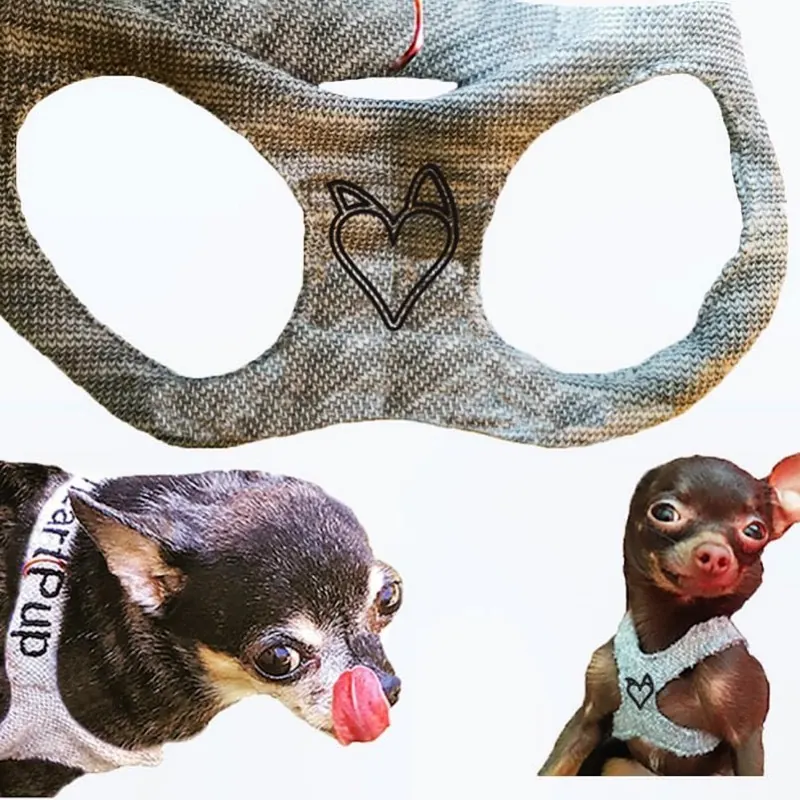
Big checks make for good television, but longevity is the harder test, and Season 6's track record on that front is uneven. The companies from this season that are still selling include Sleeping Baby, Heart Pup, SoapSox, and SunStaches. None of them were the eight-figure swings. They were smaller, more conventional consumer products, the kind of businesses that quietly compound rather than detonate on stage. The pattern is worth sitting with: the deals that generated the loudest headlines are not necessarily the ones that built durable companies.
That gap between spectacle and staying power is the real lesson of Season 6. The sharks spent $26.2 million, set records that still stand, and handed Herjavec the biggest deal in the show's history twice over. Yet the names that endured tend to be modest products solving everyday problems. A season defined by its boldest bets is quietly remembered, years later, for its smallest ones. For viewers trying to read the show, that tension is the most honest thing Season 6 has to teach.
Browse all 116 Season 6 products →
The season's biggest deals
- 1AirCar
Season 6 · Robert Herjavec
$5,000,000
for 50%
- 2SynDaver Labs
Season 6 · Robert Herjavec
$3,000,000
for 25%
- 3Zipz
Season 6 · Kevin O'Leary
$2,500,000
for 10%
- 4The Red Dress Boutique
Season 6 · Mark Cuban + Robert Herjavec
$1,200,000
for 20%
- 5BeatBox Beverages
Season 6 · Mark Cuban
$1,000,000
for 33%
- 6Keen Home
Season 6 · Robert Herjavec
$750,000
for 13%
- 7ZinePak
Season 6 · Lori Greiner + Robert Herjavec
$725,000
for 17.5%
- 8Emazing Lights
Season 6 · Mark Cuban + Daymond John
$650,000
for 5%
- 9PittMoss
Season 6 · Mark Cuban + Robert Herjavec + Kevin O'Leary
$600,000
for 35%
- 10Roominate
Season 6 · Mark Cuban + Lori Greiner
$500,000
for 5%
Season 6 products still selling today
These pitches turned the season's exposure into a lasting business, and you can still buy them:
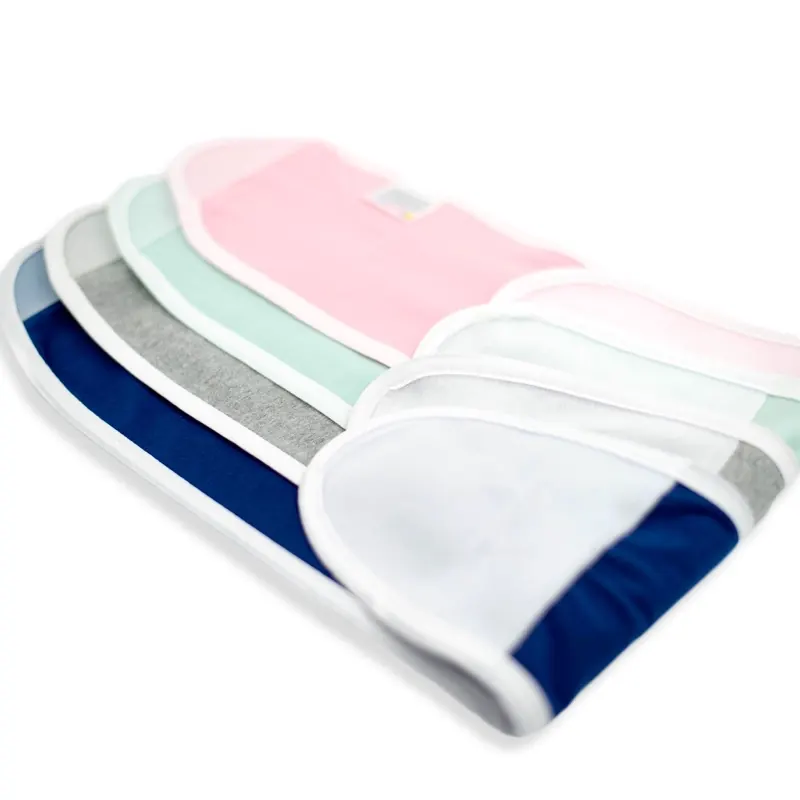 Deal
DealSleeping Baby
Baby and Child Care
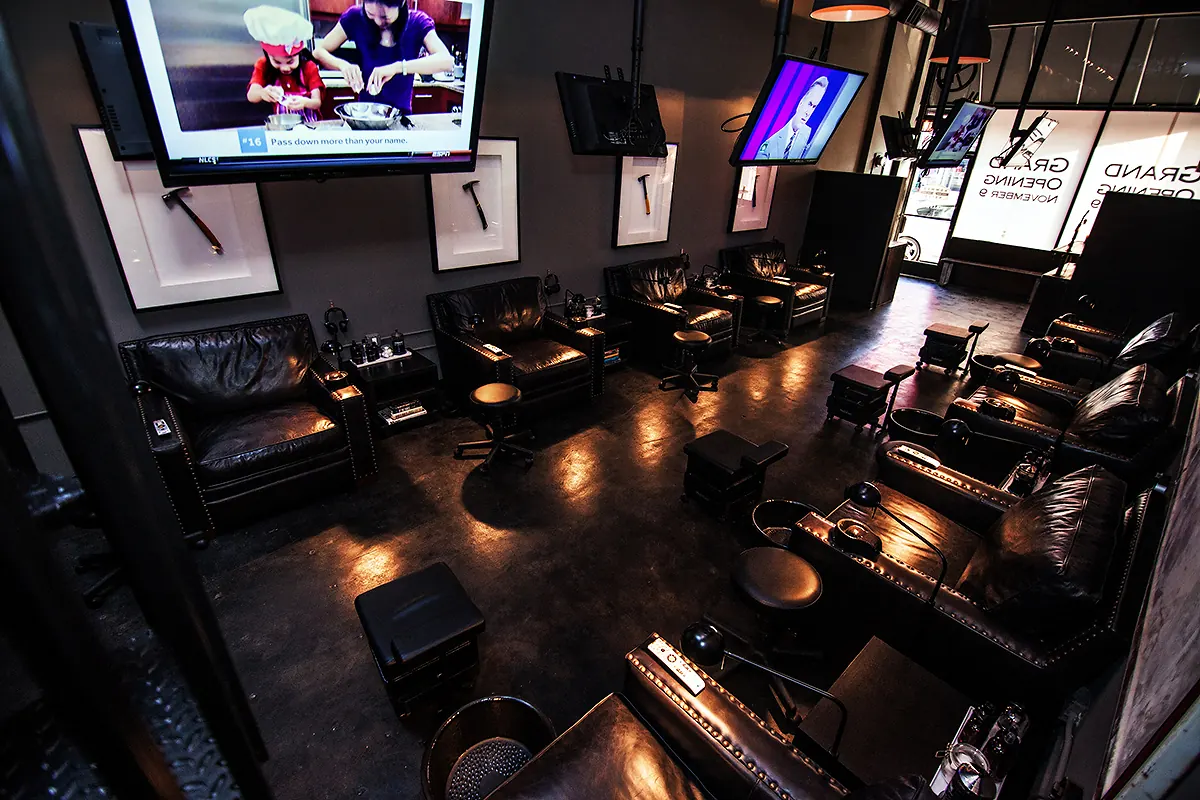 No Deal
Hammer & Nails
Personal Care and Cosmetics
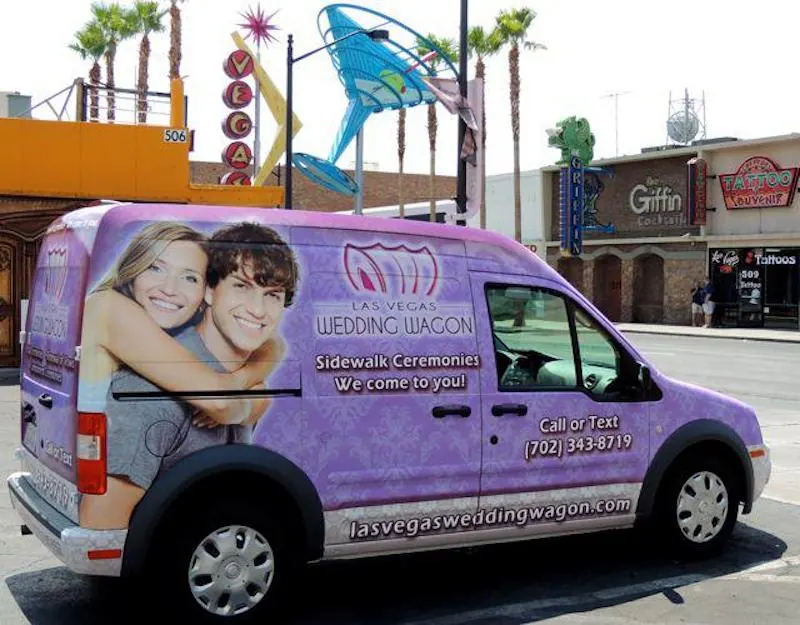 No Deal
Wedding Wagon
Weddings
 Deal
DealHeart Pup
Pet Products
All 116 Season 6 pitches
Browse the full season episode by episode, with deal terms and where to buy each product.