Season Recap
Shark Tank Season 3 Recap: Every Deal Worth Knowing
Season 3 by the numbers: 60 pitches, 28 deals, the biggest checks, and the products that are still selling.

Two sharks both wanted in on a company that paints bicycles. That was Villy Customs, the biggest swing of the whole season: $500,000 for 42 percent of the business, with Barbara Corcoran and Mark Cuban splitting the check. It tells you something about Season 3 that the headline deal wasn't a gadget or an app or some kitchen miracle. It was a couple selling colorful cruiser bikes, and the room got competitive enough that two of the heaviest hitters teamed up rather than fight over it.
Season 3 aired across 2012, and on paper it was a step backward. Out of 64 companies that pitched, only 28 walked away with a handshake. That is a 47 percent deal rate, down from the 53 percent the sharks handed out the season before. The total money on the table came to $4.9 million. Not a blockbuster year by the standards the show would later set, but a revealing one if you actually watch how the sharks behaved.
A Tighter Year in the Tank
The dip from 53 to 47 percent is small, but it pushes against the story most people tell about Shark Tank, which is that the sharks got steadily looser with their wallets as the show got bigger. Season 3 says otherwise. More than half of the founders who stood on that carpet went home empty handed. The cameras love a feeding frenzy, but the more common Season 3 outcome was a polite, sometimes brutal, no.
Why the caution? Some of it is the math of an early-stage show still finding its footing. The sharks were sorting real businesses from novelty pitches, and a lot of Season 3 entrepreneurs showed up with an idea and a prototype rather than a track record. When you only invest in fewer than half the room, you can afford to wait for the ones that move you. Villy Customs moved two of them at once, which is exactly why it became the season's defining deal.
Villy Customs and the 42 Percent Question
Look closely at the Villy Customs terms and you see the trade every founder dreads. Half a million dollars is real money, especially in 2012 on a show that was still proving it could mint winners. But 42 percent is a huge slice of a company to give away. The founders walked in with a bike brand and walked out as minority-ish partners with Corcoran and Cuban holding nearly a controlling chunk between them.
That is the quiet lesson of the season's top deal. The dollar figure makes the highlight reel, but the equity is where the real story lives. When two sharks combine on a single company, founders rarely come out the other side cheap. The upside is obvious: you get two seasoned operators, two Rolodexes, two reputations vouching for you. The cost shows up on the cap table. Season 3 founders, watching fewer than half their peers get funded at all, mostly decided that cost was worth paying.
The Products That Outlived the Episode
The truer measure of a season isn't the deal rate. It's how many of these companies you can still buy from today, more than a decade after the lights went down. Season 3 holds up better than its modest numbers suggest. The Clean Bottle is still around. So is Wine Balloon, the gadget that pumps air out of an opened bottle to keep the wine from going flat. The Smart Baker, with its kitchen aprons and baking conversion charts, kept going too. And then there's Liquid Money, which is exactly the kind of oddball Season 3 specialty that you'd expect to vanish and somehow didn't.
Notice the spread. A reusable water bottle, a wine preserver, a baking brand, and a money-themed product. That maps almost perfectly onto the season's top categories, which leaned into Fashion and Beauty, Food and Drink, and Sports and Outdoors. Season 3 wasn't a tech season. It was a season of physical, everyday things you could hold, the kind of products that either find a shelf and stay there or quietly disappear. The handful above clearly found their shelf.
What Season 3 Got Right
It's easy to skip past the early seasons on the way to the billion-dollar legends. But Season 3 is where you watch the show's machinery working at human scale. A $4.9 million total across 28 deals means the average check was modest. These were bets on people and prototypes, not on spreadsheets full of revenue. The sharks were stingier than they'd later become, the asks were smaller, and the products were things you could picture in your own kitchen or garage.
That grounded quality is exactly why a few of these names are still taking orders. Season 3 didn't produce the single most famous deal in show history. What it produced instead was a class of ordinary, useful products that quietly stuck around, plus one bicycle company bold enough to make two sharks want the same thing at the same time.
Browse all 60 Season 3 products →
The season's biggest deals
- 1Villy Customs
Season 3 · Barbara Corcoran + Mark Cuban
$500,000
for 42%
- 2Boot Illusions
Season 3 · Barbara Corcoran + Mark Cuban
$500,000
for 40%
- 3UniKey Technologies
Season 3 · Mark Cuban + Kevin O'Leary
$500,000
for 40%
- 4Wine Balloon
Season 3 · Mark Cuban
$400,000
for 100%
- 5M3 Girl Designs
Season 3 · Mark Cuban + Lori Greiner + Robert Herjavec
$300,000
for 30%
- 6Miso Media
Season 3 · Mark Cuban
$300,000
for 8%
- 7GoGo Gear
Season 3 · Daymond John
$300,000
for 50%
- 8Talbott Teas
Season 3 · Kevin O'Leary
$250,000
for 35%
- 9Kisstixx
Season 3 · Mark Cuban
$200,000
for 40%
- 10Chord Buddy
Season 3 · Robert Herjavec
$175,000
for 20%
Season 3 products still selling today
These pitches turned the season's exposure into a lasting business, and you can still buy them:
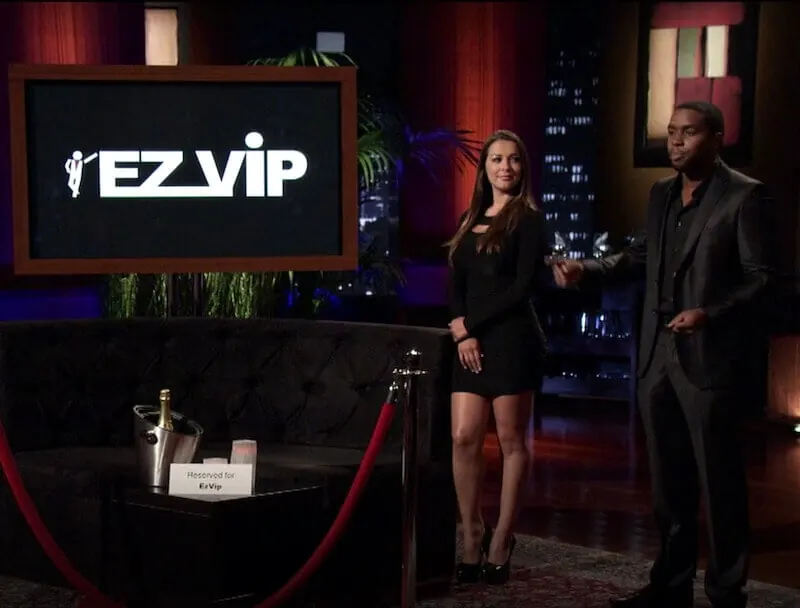 Deal
DealEZ VIP
Entertainment
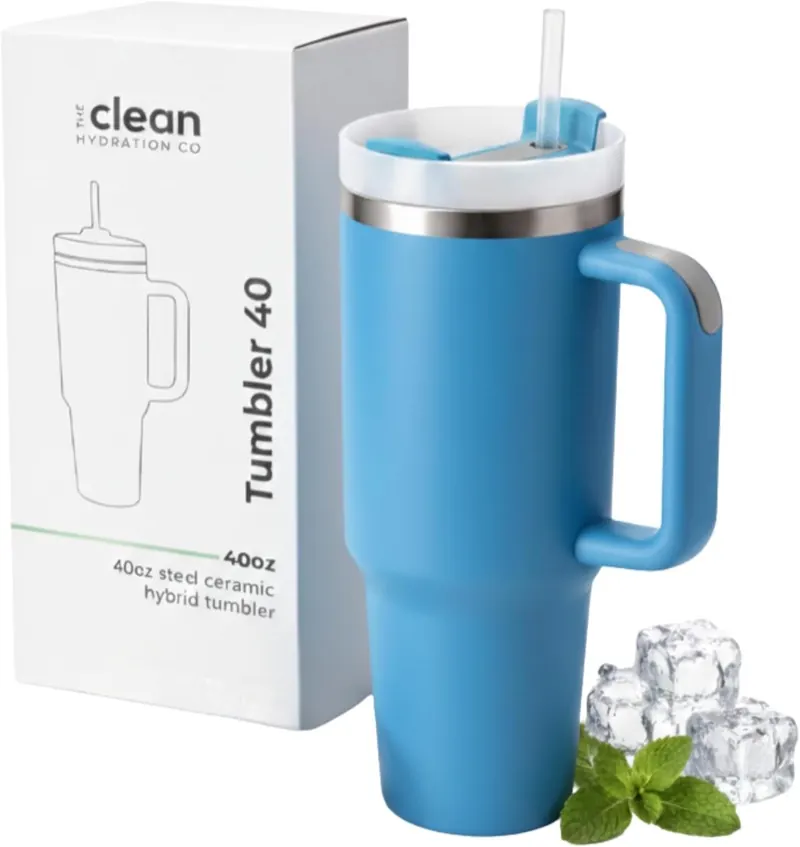 Deal
DealThe Clean Bottle
Water Bottles
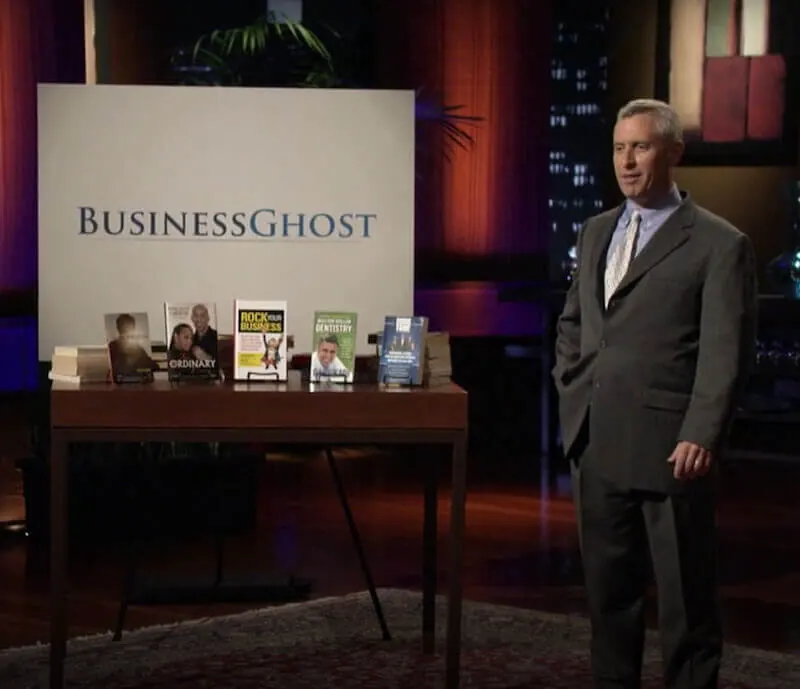 No Deal
Business Ghost
Professional Services
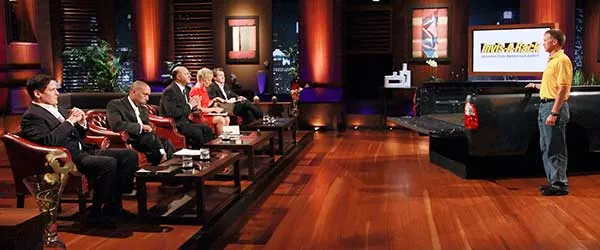 No Deal
Invis-A-Rack
Automotive
All 60 Season 3 pitches
Browse the full season episode by episode, with deal terms and where to buy each product.