First Defense Nasal Screen
DealHealth and Well-Being
First Defense Nasal Screen, the health and well-being, landed on the national radar after pitching the sharks in Season 2, and convinced Mark Cuban and Robert Herjavec and Daymond John to invest.
As an Amazon Associate, Shark Tank Index earns from qualifying purchases.
Affiliate link — we may earn a commission at no extra cost to you.
Shark Tank products move fast. Names change, packaging changes, and some sell out or get discontinued. The Amazon button checks live price and availability for First Defense Nasal Screen.
From the show
The Shark Tank pitch
- $500K
- Asked for
- 10%
- Offered equity
- $5M
- Sought valuation
- $750K
- Deal amount
- 30%
- Deal equity
- $2.5M
- Deal valuation
Joe Moore faced the sharks in Season 2, Episode 2 in the episode that aired March 25, 2011, bringing their New Port Richey, FL business with them. First Defense Nasal Screen, the health and well-being, pitched in the Health & Wellness category, one of 70 health & wellness businesses to brave the Tank across all 17 seasons.
They came in asking $500,000 in exchange for 10% equity, putting a $5M valuation on the business.
Mark Cuban, Robert Herjavec and Daymond John teamed up at $750,000 for 30% equity. That priced the company at $2.5M, a haircut from the $5M the founders walked in asking for, which is how negotiations in the Tank usually go. The structure included a royalty component.
Across Season 2, 19 of 36 pitches ended in a handshake. In the Health & Wellness category overall, roughly 59% of pitches have landed a shark across the show's history.
The full story
Everything to know about First Defense Nasal Screen
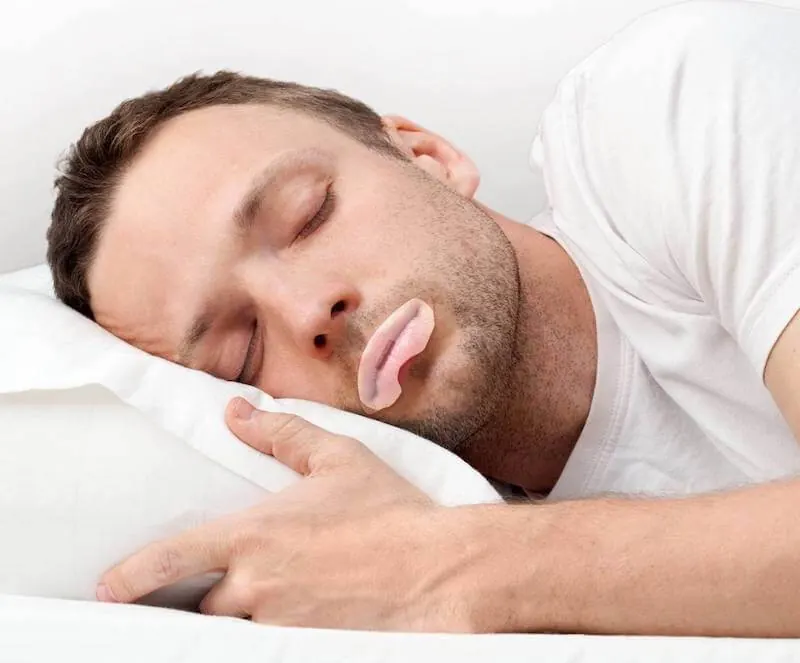
First Defense Nasal Screen is a small, self-adhesive filter that sticks over the nostrils to block a large share of airborne particles like pollen, dust, dander, and other allergens before they are inhaled. Founder Joe Moore, based in New Port Richey, Florida, built the product for allergy sufferers and people in dusty or high-exposure environments who wanted a non-inserted, hypoallergenic barrier they could wear discreetly.
Moore's Season 2 appearance became one of the show's most talked-about negotiations. The sharks recognized the size of the potential market, and the bidding escalated quickly, including a headline-grabbing offer for the whole business that Moore countered for even more before that shark stepped away. Several of the remaining sharks ultimately teamed up on a joint offer that combined a cash investment for equity with an ongoing royalty.
The episode is remembered for how far Moore pushed the room. Walking away from one of the largest single offers the show had produced at the time was a bold move, and it cemented the segment as a classic. The product's simplicity, a tiny filter over the nose, paired with a huge addressable audience made the high-stakes haggling feel justified.
Where First Defense Nasal Screen is now
The exposure pushed First Defense Nasal Screen onto a global stage, helping the brand expand distribution and build out international relationships, including overseas distributor arrangements. The dramatic on-air bidding war kept the product in conversation long after the episode aired, which is exactly the kind of attention a niche health item rarely gets.
As of 2026 the company is still operating, with Moore continuing to lead it, and the product remains available through its official channel at filteryourlife.com. The screens are sold in multiple nostril sizes, and the brand holds patents on the design. It stands as one of the show's enduring health-product success stories.
Where to buy First Defense Nasal Screen
First Defense Nasal Screens are sold through the official site, filteryourlife.com, where they come in small, medium, and large to match different nostril sizes. The screens are non-inserted, self-adhering, and described as hypoallergenic, designed to be worn over the nostrils to reduce inhaled allergens and particulates. For allergy sufferers or anyone working around dust and irritants who prefers a wearable filter over an in-nose insert, they remain a practical, niche option.
Sold on First Defense Nasal Screen?
Check today's price and availability before it swims away.
Affiliate link — we may earn a commission at no extra cost to you.
Frequently asked questions
Where can I buy First Defense Nasal Screen?
Check current availability on the company's official website. We have not verified an active Amazon listing for First Defense Nasal Screen.
Did First Defense Nasal Screen get a deal on Shark Tank?
Yes. First Defense Nasal Screen closed a deal for $750,000 in exchange for 30% equity, with Mark Cuban and Robert Herjavec and Daymond John.
Which shark invested in First Defense Nasal Screen?
Mark Cuban and Robert Herjavec and Daymond John invested in First Defense Nasal Screen ($750,000 total as aired).
What season of Shark Tank was First Defense Nasal Screen on?
First Defense Nasal Screen appeared in Season 2, Episode 2, which aired March 25, 2011.
How much was First Defense Nasal Screen asking for on Shark Tank?
The founders asked for $500,000 for 10% of the company, a $5M valuation.
Is First Defense Nasal Screen still sold today?
Yes. As of 2026 the product is still available through its official website, filteryourlife.com, in small, medium, and large sizes.
How does the nasal screen work?
It is a self-adhesive filter that sticks over the outside of the nostrils rather than being inserted. It is designed to block a large portion of pollen, dust, dander, and other airborne particles before you breathe them in.
What happened with the Shark Tank deal?
The pitch produced an intense bidding war, including a very large offer that founder Joe Moore turned down. A group of sharks made a joint offer combining cash for equity with a royalty, though the company went on to succeed largely on the strength of the exposure.
Shark Tank Index may earn a commission on purchases made through links on this page. Deal figures reflect what aired; terms sometimes change after the show.