Season Recap
Shark Tank Season 7 Recap: Every Deal Worth Knowing
Season 7 by the numbers: 116 pitches, 66 deals, the biggest checks, and the products that are still selling.

Season 7 of Shark Tank is the season where the show stopped getting more generous and decided to hold still for a year. After climbing for a while, the deal rate landed at 57 percent, which happens to be the exact number it hit the season before. Two identical figures in a row is the kind of thing that sounds boring until you realize it is the show quietly telling you it had found a rhythm and was not in a hurry to break it.
Across the 2015 to 2016 run, 116 companies walked across that carpet, 66 of them left with a handshake, and the sharks committed 20.9 million dollars along the way. That is a lot of money to spread across a single season, and yet the headline number for the year is attached to a vending machine. Spread that 20.9 million across 66 deals and the average check sits in the low six figures once you strip out the one giant outlier, which is exactly the territory where the Tank does most of its real work.
The Vengo Effect
The biggest deal of Season 7 went to Vengo, which pulled in 2 million dollars for just 10 percent of the company. Read that ratio twice. A 10 percent stake commanding a 2 million dollar check implies the sharks were valuing the business at 20 million dollars, which is the sort of valuation that usually gets laughed out of the Tank rather than funded. Vengo was not selling a clever spatula. It was a wall-mounted digital vending and advertising platform, the kind of pitch that promises recurring ad revenue rather than one-time gadget sales, and that story tends to loosen wallets.
It also took two sharks to get there. Lori Greiner and Kevin O'Leary split the deal, which is a fairly on-brand pairing. Lori knows how to put a product everywhere, and Kevin never met a revenue stream he did not want a cut of. When the two of them line up behind the same company, it is usually because someone in the room smelled margins.
What the Categories Tell You
The category mix in Season 7 reads like a snapshot of what America was buying at the time. Fashion and Beauty led the pack, followed by Food and Drink, then Home and Lifestyle. None of that is surprising. Those three categories are the comfort food of Shark Tank. They photograph well, they explain themselves in thirty seconds, and a shark can usually picture the product on a shelf without straining.
What is interesting is what that ordering says about risk appetite. A panel that leans into apparel, snacks, and household goods is a panel chasing things it understands, not moonshots. So you get a season that funds 57 percent of its pitches but reserves its one truly enormous swing for a vending and advertising play. The sharks were comfortable, and comfortable investors write a lot of normal checks and one giant one. It is worth remembering that those three categories also tend to produce the cleanest pitches. A founder can hold up a garment, hand over a snack, or demonstrate a household fix in the time it takes to explain a sales figure, and that immediacy is part of why they keep landing near the top of the pile.
The Flat Line That Was Not a Plateau
Holding at 57 percent for a second straight season is easy to misread. It looks like the show stalled. In context it looks more like a pause before a climb, because the deal rate did not stay flat for long after this. Season 7 sits at the hinge between the cautious early years and the much friendlier later ones, where saying yes became closer to the default than the exception.
I will be honest about one limitation here. When you go looking for the Season 7 alumni still selling on shelves today, the easy answer is that there is no tidy list to hand you. That absence is its own small lesson. Television fame is loud and brief, and the gap between landing a deal on a hit show and building something that outlives the broadcast is enormous. A 2 million dollar headline gets the applause. Surviving the decade after the cameras leave is the part nobody films.
So treat Season 7 as a study in steadiness rather than spectacle. One blockbuster valuation, a sturdy 66 deals, 20.9 million dollars out the door, and a deal rate that refused to budge. It is not the flashiest chapter in the show's history. It is the one where you can watch the machine settle into the version of itself it would be for years to come, with a vending machine, of all things, holding the trophy.
Browse all 116 Season 7 products →
The season's biggest deals
- 1Vengo
Season 7 · Lori Greiner + Kevin O'Leary
$2,000,000
for 10%
- 2X Craft
Season 7 · Mark Cuban + Lori Greiner + Robert Herjavec + Daymond John + Kevin O'Leary
$1,500,000
for 25%
- 3Sworkit
Season 7 · Mark Cuban
$1,500,000
for 10%
- 4Trunkster
Season 7 · Mark Cuban + Lori Greiner
$1,400,000
for 5%
- 5Polar Pro
Season 7 · Mark Cuban + Robert Herjavec
$1,000,000
for 20%
- 6Better Back
Season 7 · Lori Greiner
$750,000
for 8%
- 7Fixed
Season 7 · Mark Cuban
$700,000
for 7%
- 8Loliware
Season 7 · Barbara Corcoran + Mark Cuban
$600,000
for 25%
- 9Brightwheel
Season 7 · Mark Cuban + Chris Sacca
$600,000
for 6.7%
- 10Wondercide
Season 7 · Lori Greiner
$500,000
for 3%
Season 7 products still selling today
These pitches turned the season's exposure into a lasting business, and you can still buy them:
 Deal
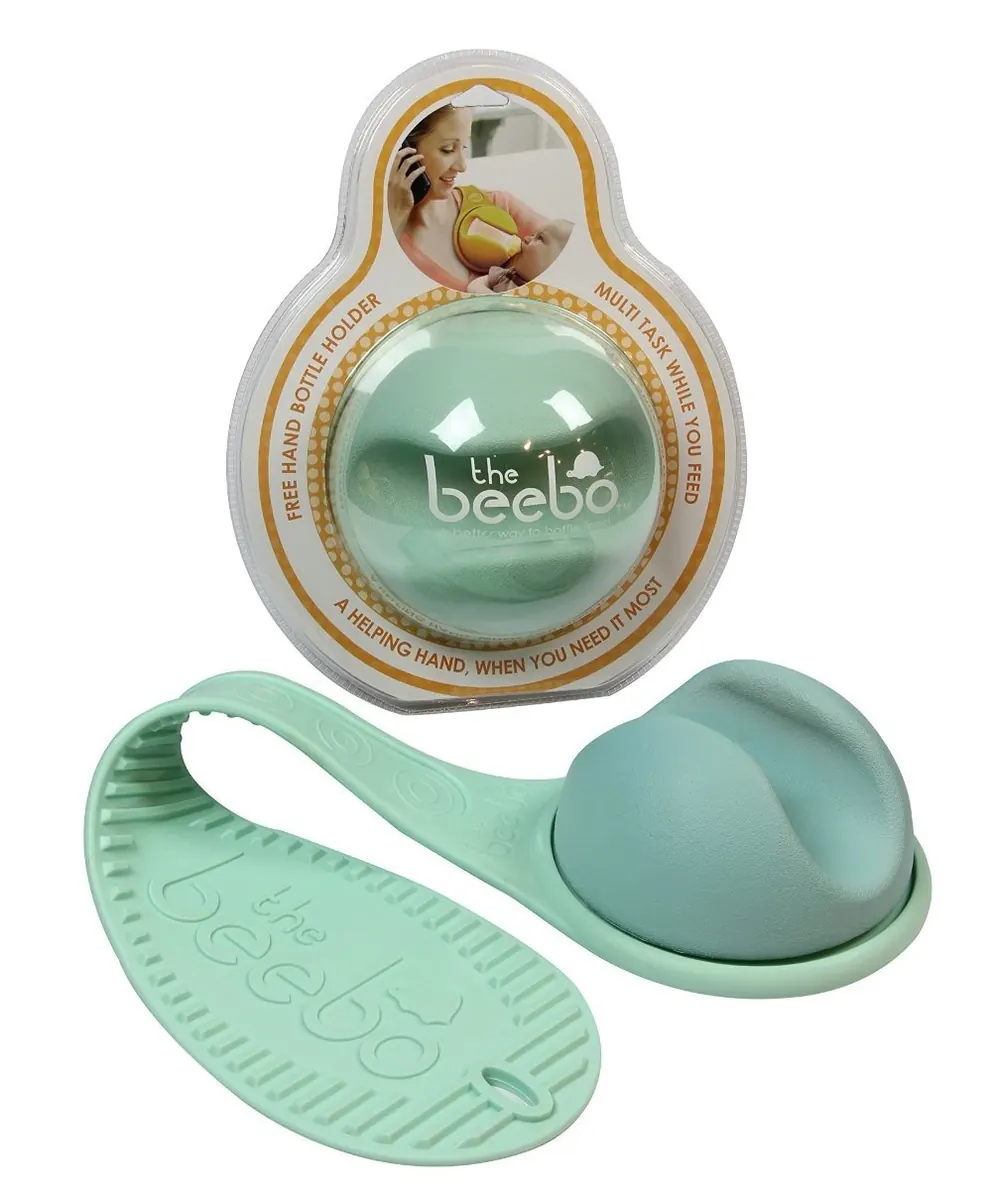
DealThe Beebo
baby bottle holder
 No Deal
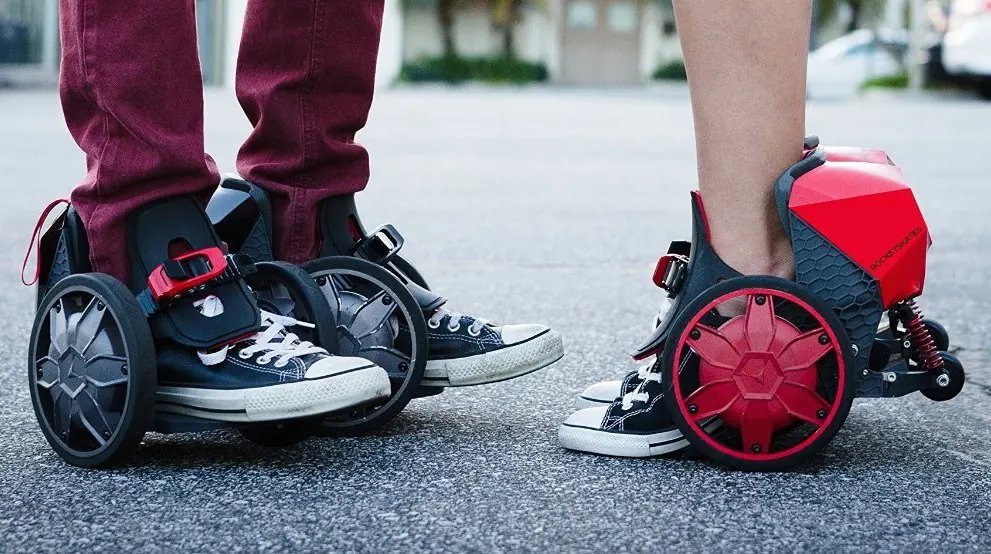
Acton
motorized roller skates
 No Deal
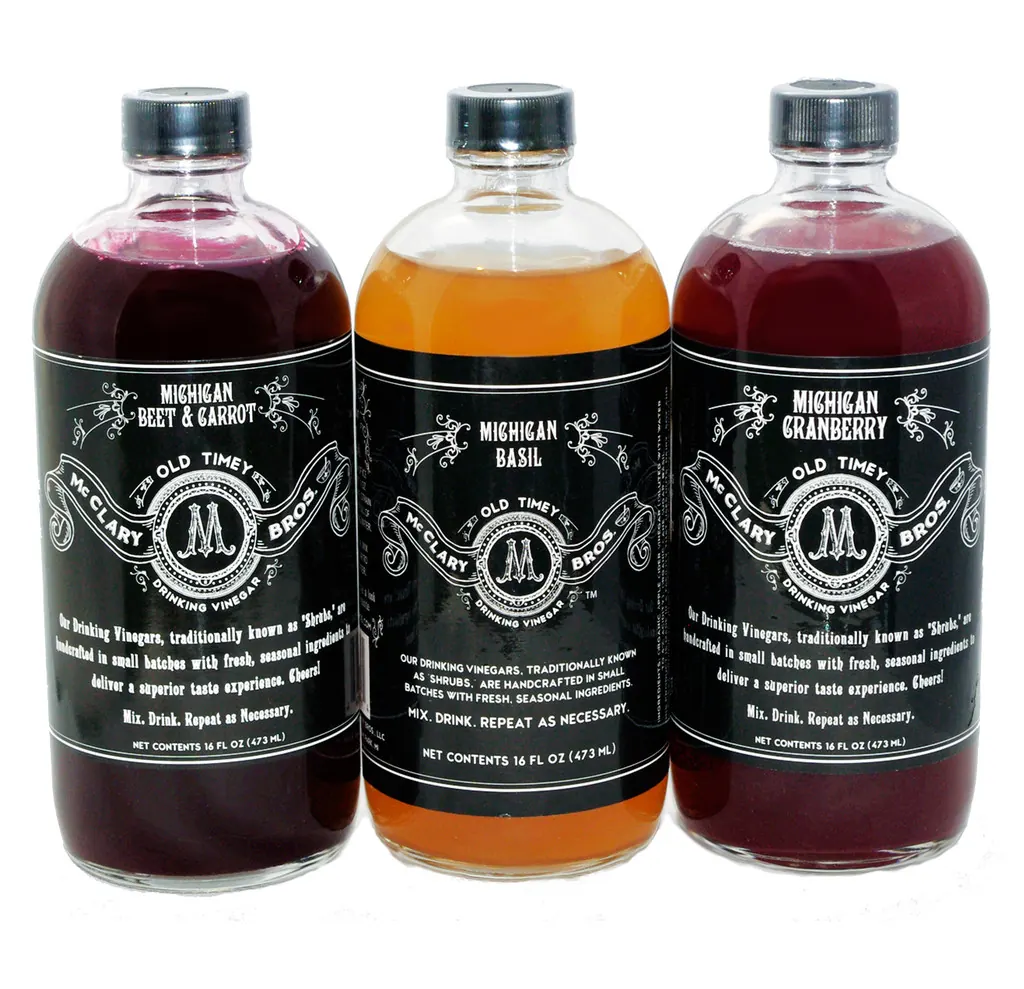
McClary Brothers Drinking Vinegars
vinegars to be used in cocktails and soda
 Deal
DealSignal Vault
protector for credit cards
All 116 Season 7 pitches
Browse the full season episode by episode, with deal terms and where to buy each product.