Product Update
Is Qubits Still in Business? (2026 Update)
Is Qubits from Shark Tank still around in 2026? The deal it made, the sharks who invested, and where to buy Qubits today.
An architect-turned-toy-inventor named Mark Burginger pitched Qubits all the way back in Season 1, the earliest years of Shark Tank, and the geometric building-piece toy is not just still around in 2026, it has a sequel product and a live Shopify storefront to prove it.
The Short Answer
Qubits is still in business, and it is actively selling. The company's site runs a full STEM-branded collection today, including a 50-piece building kit and a 500-piece bulk classroom kit priced for schools, along with a free downloadable STEM activity booklet used as a lead magnet. The footer copyright reads current for 2026, and the storefront supports international shipping to more than 100 countries.
That is a meaningfully different posture than a brand limping along on old inventory. Qubits reads today as an active, marketed, actively-fulfilling small manufacturer, not a dormant Shark Tank relic.
The Shark Tank Pitch
Mark Burginger pitched Qubits in Season 1, Episode 14, out of Orlando, Florida, presenting a geometric magnetic building system he pitched as a next-generation alternative to traditional building blocks, sometimes described in later coverage as a 21st-century take on the Lego concept.
He asked for 90,000 dollars for 51 percent equity, giving up majority control from the outset in exchange for the capital and credibility to scale a toy business as a solo inventor.
The Deal That Got Done, With a Catch
Daymond John agreed to the full 90,000 dollars at the 51 percent Burginger offered, matching the fact sheet terms for this pitch. What later reporting adds is a condition attached to the handshake: John reportedly told Burginger the investment was contingent on securing a partnership with a major toy manufacturer before the money would actually move.
That is a useful reminder that not every on-air yes is unconditional. Some sharks structure their commitment around a milestone the founder still has to hit after the cameras stop rolling.
A Solo Inventor's Long Game
Season 1 deals are a different animal from anything pitched in the show's later years. The production was smaller, the audience was smaller, and there was no established playbook yet for what a Shark Tank bump could do for a company. Burginger built Qubits from a solo architect's side project into a manufacturer with its own North Carolina facility, without the benefit of years of prior alumni case studies to model his growth strategy on.
The condition Daymond John attached, landing a major toy manufacturer partnership before the money moved, put real pressure on Burginger in the months right after taping. Whatever happened in those negotiations, the company clearly found a way to keep building, since it now holds a design patent and sells both a consumer-facing product line and a dedicated bulk classroom kit aimed at schools, a market it did not appear to be targeting back in Season 1.
Qubits net worth in 2026
Shark Tank tracking coverage reports that Qubits grew annual revenue from around 8,000 dollars pre-show to approximately 1 million dollars in the Shark Tank effect period that followed, and cites continued year-over-year growth rates in the range of 15 to 25 percent through the early 2020s. Those figures come from tracking-site reporting, not an audited company disclosure, and should be read as directional rather than exact.
No independently verified current net worth figure for Qubits exists publicly as of 2026. Given the reported growth trend and the fact that the company now manufactures in Hendersonville, North Carolina and holds a patent on its building-piece design, a low-single-digit-million valuation would be a reasonable qualitative estimate, but it remains an estimate, not a confirmed number.
Where Things Stand Now
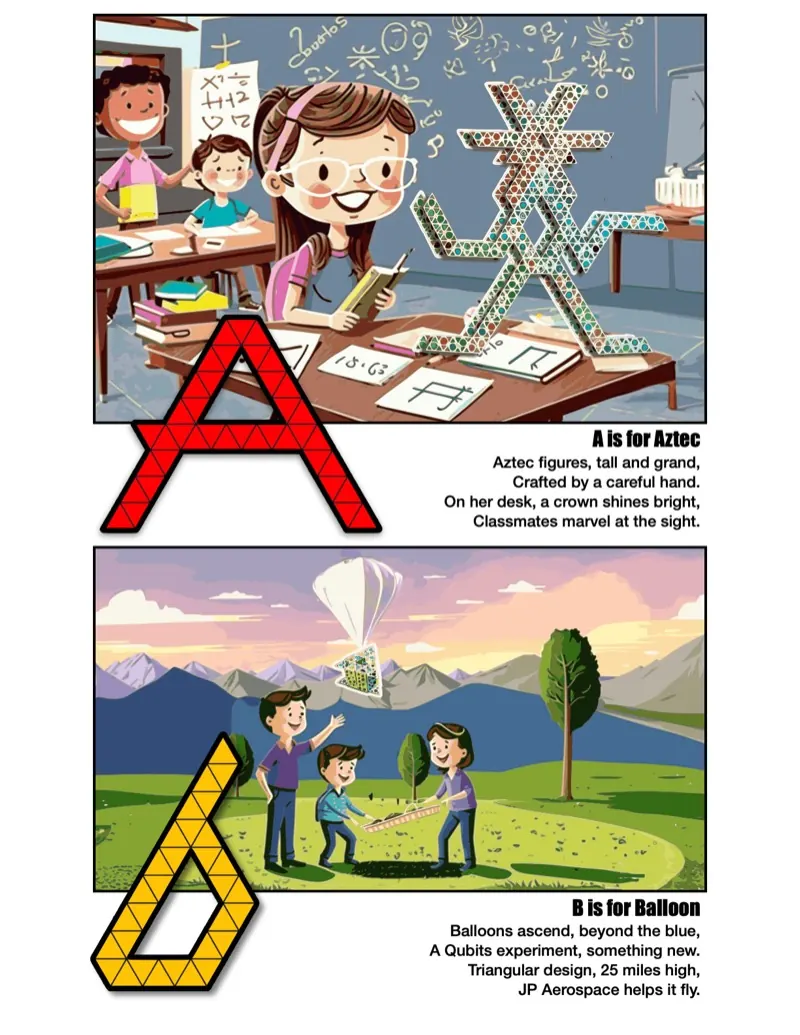
Since the Season 1 pitch, one of the earliest deals in the show's history, Qubits has launched an upgraded version of its core product called Qubits 2.0, kept manufacturing domestic in North Carolina, secured patent protection, and built out a STEM-education angle aimed squarely at classrooms and homeschool buyers, not just toy shelves.
The verdict here is a clean yes. Qubits is one of the rarer Season 1 alumni still selling its original product concept, now expanded, more than a decade later, with a functioning e-commerce operation you can check yourself today.
That kind of longevity is rare for any toy company, let alone one that pitched in the show's first season, long before Shark Tank had the cultural reach it has now. Whatever advantage Burginger lost by pitching too early to benefit from a bigger audience, he made up for with a product durable enough, and differentiated enough, to still be manufacturing and shipping more than a decade on.
As an Amazon Associate, Shark Tank Index earns from qualifying purchases.
Where to buy Qubits
Still selling as of May 12, 2026. Check today's price and availability.
Affiliate link — we may earn a commission at no extra cost to you.
See the full Qubits deal breakdown and term sheet →