Product Update
Is Freeloader Still in Business? (2026 Update)
Is Freeloader from Shark Tank still around in 2026? The deal it made, the sharks who invested, and where to buy Freeloader today.
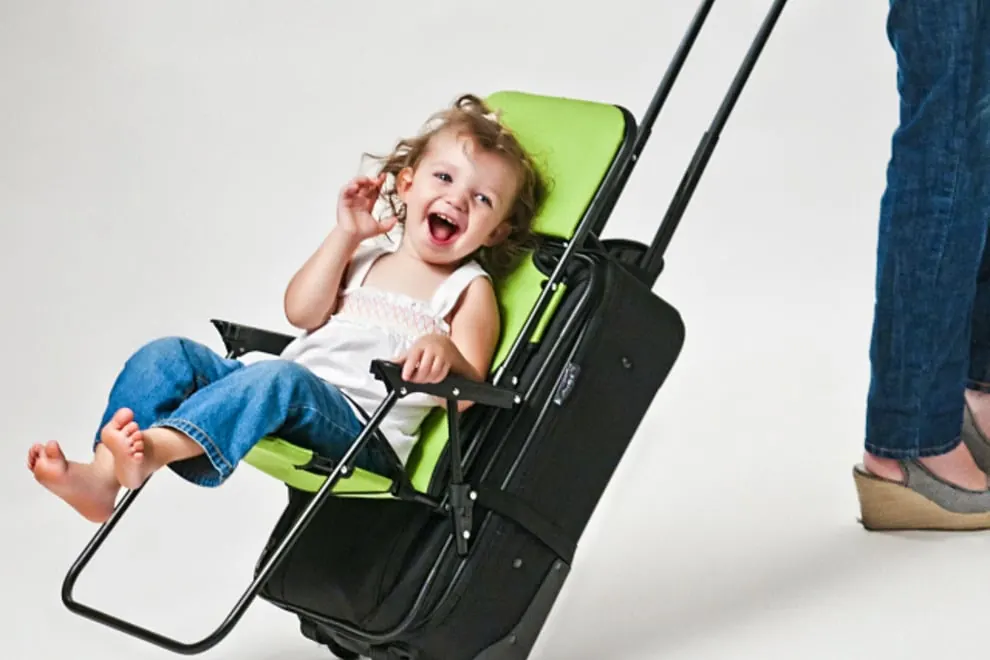
Two Austin firefighters pitched a lightweight child carrier on Shark Tank, got offered a deal from Robert Herjavec, and then turned it down because they thought giving up a third of the company was too steep a price. That decision to walk away from Shark Tank money is exactly what makes Freeloader's story different from most product spotlights in this wave.
The Short Answer
Yes, Freeloader is still in business, run without any Shark Tank investment behind it. Erick Jansen and Nathan Jones continued building the company themselves after declining Robert Herjavec's on-air offer, and the child carrier is still sold through the company's site at myfreeloader.com.
Both founders reportedly remained active firefighters even while running the business, which tells you this stayed a side venture built on genuine demand rather than a company that needed to scale fast to survive.
The Shark Tank Pitch
Freeloader appeared in Season 5, Episode 3, pitched by Austin firefighters Erick Jansen and Nathan Jones out of Texas. The product is a lightweight child carrier for kids ages 2 to 8, built to hold up to 80 pounds, roughly 2 pounds lighter than comparable carriers on the market, with a 5-point safety harness for security.
The founders asked for 200,000 dollars for 15 percent equity. Before ever reaching the Tank, the product had already been validated through an Indiegogo campaign in 2012 that raised over 32,000 dollars, real pre-order demand rather than just a prototype and a pitch deck.
The Deal That Almost Got Done
Robert Herjavec offered 200,000 dollars for 33 percent equity, more than double the equity the founders had originally proposed. Jansen and Jones initially accepted the offer on camera, the moment that gets replayed in the episode's edit.
After the taping, though, they reconsidered and ultimately declined the deal, deciding the equity stake was too large a piece of their company to give up for that amount of capital. That is a rarer sequence than the show's editing usually suggests: an on-air yes that gets walked back once the cameras stop rolling and the real math sets in.
Building It Themselves
Rather than take outside capital, Jansen and Jones pursued alternative funding and kept full control of the business. As of November 2022, the company reported lifetime sales of 5 million dollars, a solid outcome for a bootstrapped operation run by two founders who kept their day jobs as firefighters throughout.
The product line has also evolved to serve a broader customer base than the original pitch targeted, expanding into the special-needs family market and upgrading the harness system with added stirrups for better comfort on longer outings, changes driven by direct customer feedback rather than investor pressure.
Freeloader net worth in 2026
There is no independently audited net worth figure published for Freeloader. Based on the reported 5 million dollars in lifetime sales as of November 2022 and the company's continued bootstrapped operation with no outside equity investors to answer to, a qualitative estimate would place the business in the low single-digit millions in overall value.
Because there is no shark equity stake to use as a valuation anchor, given the deal never closed, any more specific figure than that general range would be speculation rather than a sourced number.
Where Things Stand Now
Freeloader is still operating, still founder-owned, and still run in part by two working firefighters who never took the Shark Tank money. The lifetime sales figure of 5 million dollars as of late 2022 shows this was never a fluke pitch; it turned into a genuine, sustainable small business built entirely on its own terms.
If you are here wondering whether the two firefighters who turned down Robert Herjavec ever regretted it, the sales numbers since suggest they made the right call for their situation.
It also says something about the product category itself. Child carriers are a repeat-purchase-adjacent business, families with more than one kid, or families that pass the product along to friends and relatives with young children, and that kind of organic word of mouth can sustain a bootstrapped brand for a long time without the paid marketing budget a venture-backed competitor would need.
As an Amazon Associate, Shark Tank Index earns from qualifying purchases.
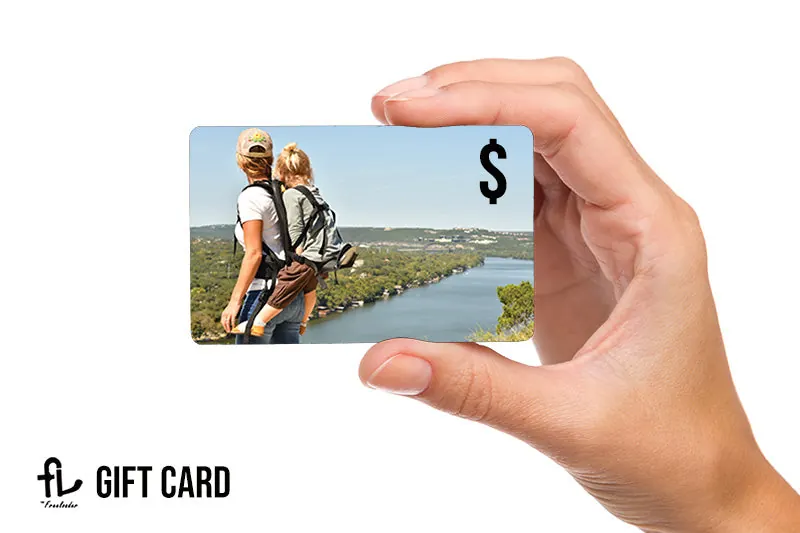
Where to buy Freeloader
Still selling as of March 3, 2026. Check today's price and availability.
Affiliate link — we may earn a commission at no extra cost to you.
See the full Freeloader deal breakdown and term sheet →