Product Update
Is A Perfect Pear Still in Business? (2026 Update)
Is A Perfect Pear from Shark Tank still around in 2026? The deal it made, the sharks who invested, and where to buy A Perfect Pear today.
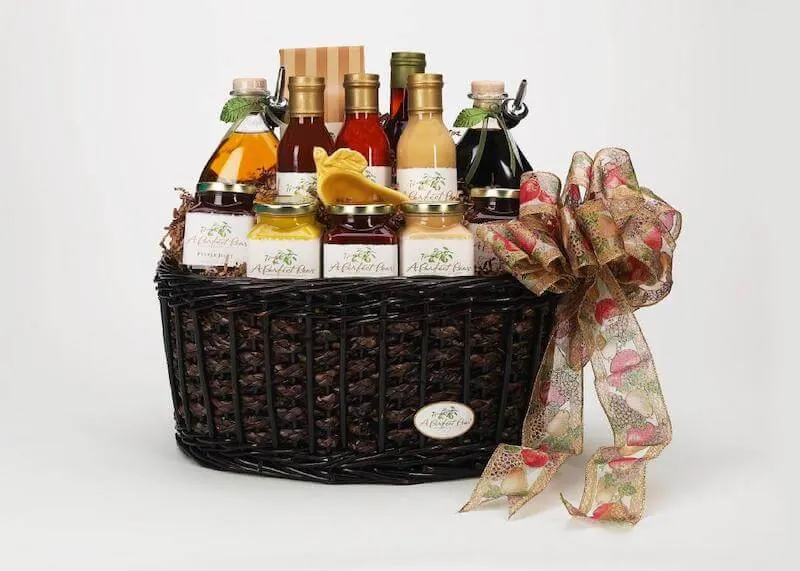
A Perfect Pear was one of the very first products to ever pitch on Shark Tank, appearing in Season 1 back when the show itself was an unproven concept. Susan Knapp's specialty dried-fruit business got real traction after the episode aired, briefly. The company did not survive long past that early spike, and it has been closed for a very long time now.
The Short Answer
A Perfect Pear is no longer in business. The company closed in February 2010, not long after its Season 1 appearance, making it one of the earliest failures among Shark Tank alumni rather than a recent one.
There is no current website, no current retail presence, and nothing to order. If you're searching for this product today expecting to find it on a store shelf, it has not existed for over fifteen years.
The Shark Tank Pitch
A Perfect Pear pitched in Season 1, Episode 2, out of Napa Valley, California, in the food and drink category. Founder Susan Knapp built a specialty dried-fruit business, one of the earliest food companies to walk into the original Tank set.
Knapp asked for 500,000 dollars for 15 percent equity, valuing the specialty food company at roughly 3.3 million dollars, an ambitious number for a Season 1 pitch when the whole format of the show, and what founders could reasonably expect from it, was still untested.
The Deal That Never Closed
Robert Herjavec and Kevin Harrington agreed on air to fund the company at 500,000 dollars for 50 percent equity, a far larger equity stake than the 15 percent Knapp had offered. That deal never actually closed, for reasons that were not made public.
In Season 1, before the show had a track record of turning handshake deals into real due diligence and funded investments, that gap between an on-air yes and an actual wired check was even less standardized than it later became. A Perfect Pear ended up on the wrong side of that gap.
Why the Business Actually Failed
The company did see real post-show momentum for a while. Susan was reportedly making over 80,000 dollars a month in sales at one point, and Kevin Harrington helped get the product placement on the Home Shopping Network, along with retail distribution through Whole Foods and Lunardi's, both legitimate, hard-to-land accounts for a small specialty food brand.
What killed the business wasn't a lack of demand, it was economics. The product reportedly ran on a net margin of only around 2 percent at the time of the pitch, an extremely thin cushion for a food business facing rising production costs and scaling pressure. Combined with production and quality-control challenges as order volume increased after the show, the company could not turn its sales momentum into sustainable profit, and it closed in February 2010.
That margin problem is a familiar story for Season 1 food pitches specifically. The show had not yet built the reputation with manufacturers and co-packers that later seasons benefited from, and founders like Knapp were often scaling production with far less infrastructure support than companies that pitched years later.
A Perfect Pear net worth in 2026
A Perfect Pear has no net worth in 2026 because the company has not existed as an operating business since it closed in February 2010. There is no founder, product, or entity currently generating revenue under this name.
No credible source claims otherwise, and none should be trusted if they do. Any listing or article suggesting current sales figures for A Perfect Pear is either outdated or mistaken.
Given how far back the closure sits, over fifteen years before this writeup, there is also no meaningful way to trace where Susan Knapp or the brand's assets ended up, and no obligation for a defunct single-product food company to leave a public paper trail behind.
Where Things Stand Now
Here is the recap. A Perfect Pear pitched in Season 1, one of the show's very first episodes, asking for 500,000 dollars for 15 percent. Robert Herjavec and Kevin Harrington agreed on air to 50 percent, but the deal never closed.
The company briefly hit real retail success, including a Home Shopping Network placement and Whole Foods distribution, before thin margins and production strain closed it down in February 2010. If you found this page hoping to buy A Perfect Pear today, the honest answer is that the company has been gone for a very long time.
As an Amazon Associate, Shark Tank Index earns from qualifying purchases.
Where to buy A Perfect Pear
Still selling as of January 7, 2026. Check today's price and availability.
Affiliate link — we may earn a commission at no extra cost to you.
See the full A Perfect Pear deal breakdown and term sheet →