
Product Update
Is Loliware Still in Business? (2026 Update)
Is Loliware from Shark Tank still around in 2026? Its on-air agreement, what happened afterward, and current ordering options.
Loliware's original pitch was almost too good to believe: cups you could eat when you were done drinking from them. Chelsea Briganti and Leigh Ann Tucker got two sharks to buy in during Season 7, and what followed was not a straight success story or a straight failure, but a company that had to abandon its signature product and rebuild around a different one entirely.
The Short Answer
Loliware is still in business, but it is not selling the product it pitched on Shark Tank. The edible cups ran into serious production problems after the show, enough that the company eventually stopped selling them, with customers reporting cups that arrived melted and orders that took far too long to ship.
The company pivoted instead to edible and biodegradable seaweed straws, and later to a broader seaweed-based material platform. So the honest answer is yes, the business survived, but not in the form most people remember from the episode.
The Shark Tank Pitch
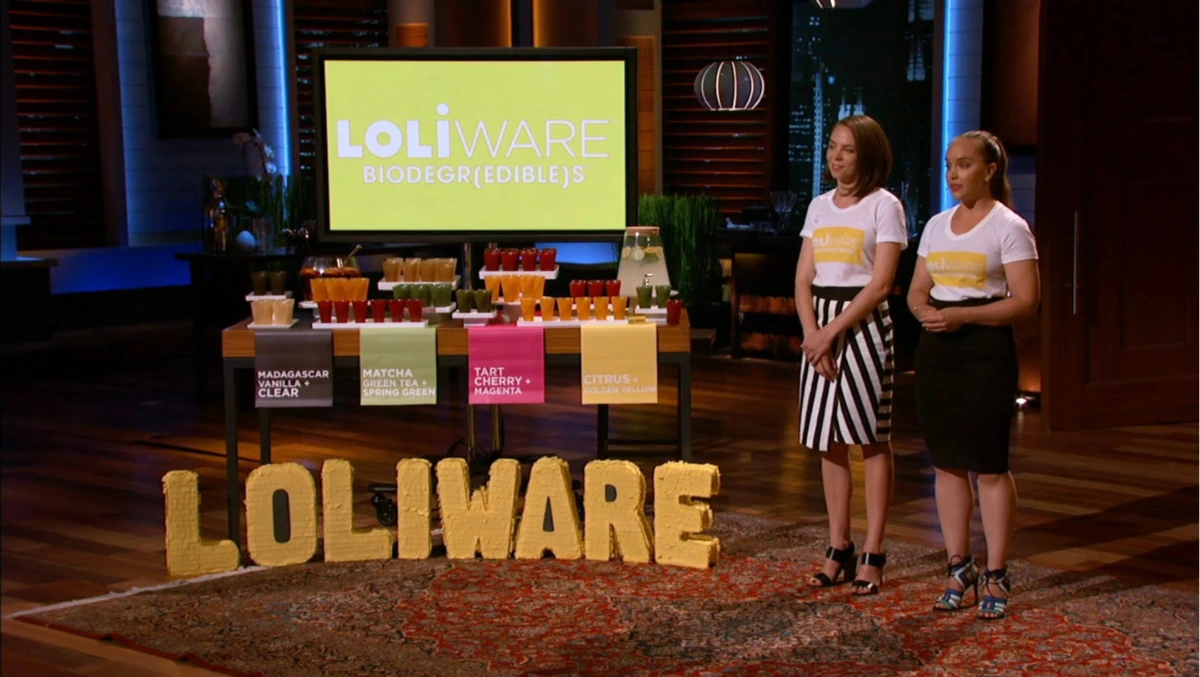
Loliware pitched in Season 7, Episode 2, which aired October 2, 2015, in the food and drink category. The founders had built edible, biodegradable cups meant to replace single-use plastic cups, an early entry into what would later become a much bigger sustainable-packaging conversation.
They asked for 150,000 dollars for 10 percent equity going in, a modest ask for a genuinely novel product concept.
The Deal That Got Done
Barbara Corcoran and Mark Cuban teamed up on this one, and the deal that closed was considerably larger than the ask: 600,000 dollars for 25 percent equity, four times the original dollar amount requested in exchange for a meaningfully bigger equity stake.
That size of jump, from a 150,000 dollar ask to a 600,000 dollar close, suggests the sharks saw more scaling potential in the edible cup concept than the founders had initially priced in, and were willing to fund a bigger vision than the one originally pitched.
The Cup Failed. The Company Didn't.
The edible cup ran into exactly the kind of problem that kills a lot of hardware and materials startups: it worked in small batches and fell apart at scale. High order demand after the Shark Tank exposure exposed production limitations, and shipping problems compounded the issue, with cups arriving melted or damaged and souring early customers on the product entirely.
Rather than shutting down, Loliware pivoted to a new product in 2019: an edible drinking straw, launched through a crowdfunding campaign that also ran into its own shipping delays, with backers reporting orders that took longer than promised to arrive.
From there, the company evolved again, moving toward a biodegradable, non-edible seaweed straw marketed under a Blue Carbon platform. That later iteration proved to be the more durable business. The company raised over 15 million dollars in funding around this newer seaweed-material direction and secured a supply contract with the José Andrés Group restaurant chain, a meaningfully larger commercial relationship than anything the original cup product ever landed.
Loliware net worth in 2026
Loliware has raised over 15 million dollars in funding tied to its seaweed-material pivot, a figure reported by industry press covering the sustainable packaging space. That is a funding total, not a net worth or valuation figure, and no source publishes a specific company valuation for Loliware as of 2026.
Given the shift from a consumer product with real production failures to a business-to-business material supply model with a named restaurant group as a customer, Loliware's actual value today likely has little to do with the edible cup that made it famous on the show. Treat any net worth estimate tied to the original pitch as outdated.
Where Things Stand Now
Here is the recap. Loliware pitched in Season 7 asking for 150,000 dollars for 10 percent, and Barbara Corcoran and Mark Cuban closed at 600,000 dollars for 25 percent instead. The edible cup that got them the deal later failed in production and was discontinued.
The company survived by reinventing itself twice, first into edible straws, then into a seaweed-based material platform with over 15 million dollars raised and a real restaurant-industry customer. If you're looking for the edible cups today, you won't find them. If you're asking whether the company behind them is still around, it is, just not doing what it originally pitched.
Recorded pitch result
Recorded on-air deal
- $600,000 recorded amount
- 25% equity
- With Barbara Corcoran + Mark Cuban
These are the recorded on-air terms. The pitch fields do not confirm completed funding; a company update may report later closing, changed terms or a deal that fell through.
As an Amazon Associate, Shark Tank Index earns from qualifying purchases.
Where to buy Loliware
An Amazon search may include unrelated products. It does not confirm that this product is currently sold.
Affiliate link — we may earn a commission at no extra cost to you.
See the full Loliware pitch breakdown and reported terms →
More from Food & Drink
 Deal
DealMr. Tod's Pie Factory
Specialty Food
Recorded on-air deal
$460,000 recorded amount · 50% equity · With Barbara Corcoran + Daymond John
 Deal
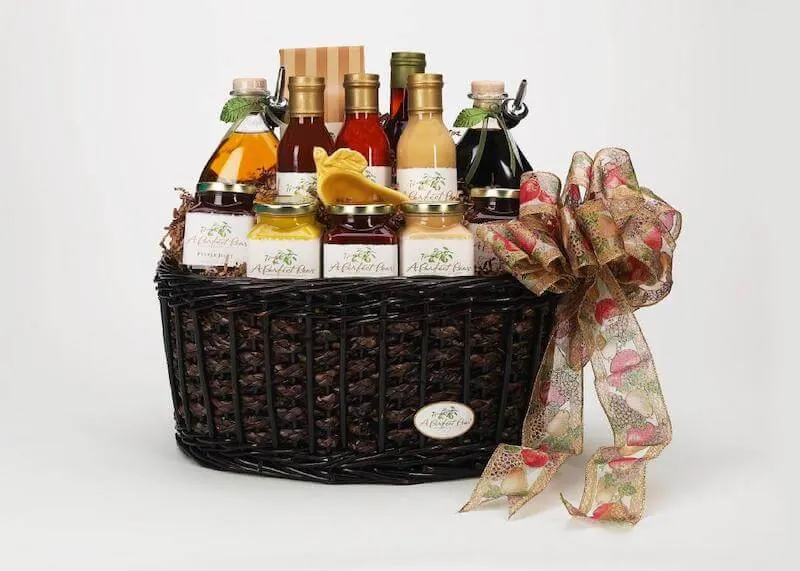
DealA Perfect Pear
Specialty Food
Recorded on-air deal
$500,000 recorded amount · 50% equity · With Robert Herjavec + Kevin O'Leary
 Deal
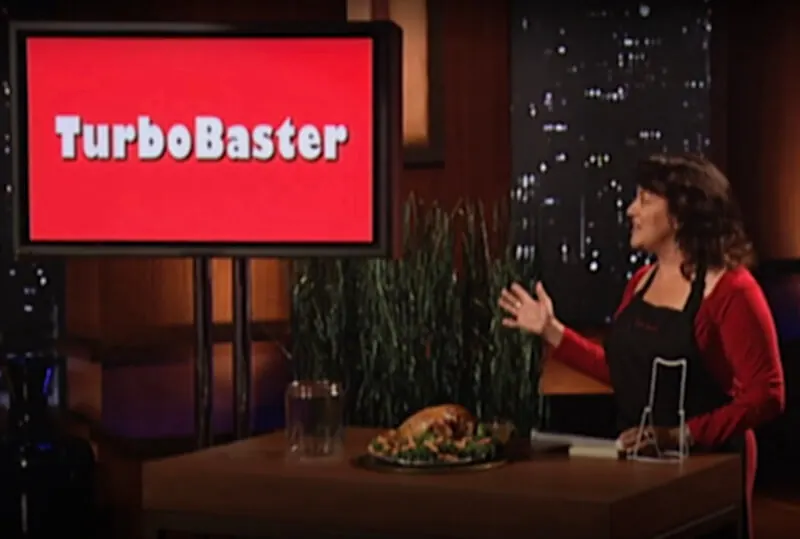
DealTurboBaster
Kitchen Tools
Recorded on-air deal
$35,000 reported ownership price · Reported full ownership · 2% sales royalty paid to Marian Cruz · With Kevin Harrington
Shark Tank Blog's recap reports Kevin Harrington's accepted on-air offer as a $35,000 ownership price for full ownership of TurboBaster, with a 2% sales royalty paid to Marian Cruz. All Shark Tank Products' July 7, 2023 retrospective also describes full ownership and Cruz's royalty. These retained secondary accounts do not establish a cash transfer or later legal closing. The ownership price and continuing royalty should not be presented as an ordinary equity investment valuation.
 No Deal
Coffee Brand Gifts
Novelties
No accepted on-air deal