Category Guide
The Best Shark Tank Travel Products (2026)
Every travel product that pitched Shark Tank, the ones that landed deals, the ones still selling, and where to buy them.
Eleven products in fifteen seasons. That is the entire travel category on Shark Tank, which tells you something before we even get to the money. Americans spend a fortune wandering the planet, and yet inventors keep showing up to the Tank with luggage, packs, and gadgets at a trickle. The sharks, for their part, have not exactly thrown open the cargo hold. Travel sits at number 15 in the category rankings, which is a polite way of saying it is near the bottom of the pile.
Still, the few deals that did close are weirdly interesting, because the math here behaves nothing like the rest of the show. This is the category where caution and giant checks live side by side, and where the biggest swing in the room came with a price tag that should make any founder sweat.
A Low Batting Average With a Huge Per-Hit Payoff
Of those 11 travel pitches, only 5 walked away with a deal. That is a 45 percent success rate, noticeably below the 61 percent the show posts across all categories. Travel founders, in other words, get told no more often than the average entrepreneur who stands on that carpet. Whatever romance the sharks feel about jet-setting apparently does not extend to writing checks for the stuff you pack.
And yet, when a deal does happen, it is not small. The average travel deal lands at $1.2 million, which is enormous by Shark Tank standards. Most of the show runs on five and low-six-figure investments. Here the typical agreement is seven figures. So the picture is a strange one: the sharks rarely bite, but when they do, they bite hard. Fewer deals, much bigger dollars per deal. If you are a travel founder, you are not playing a volume game. You are swinging for one large, infrequent yes.
The AirCar Problem
The biggest travel deal in the category is AirCar, from season 6, which secured a full $5,000,000 in exchange for 50 percent equity. Read that equity number again, because it is the whole story. Half the company. Most founders treat giving up 20 or 25 percent like minor surgery. AirCar handed over an even split, which means whoever was on the other side of that table now owned as much of the business as the people who built it.
That is the tradeoff lurking inside this category's flattering average. A $1.2 million mean looks fantastic until you notice it is propped up by a $5 million deal that cost half the company to get. Big travel numbers tend to come with big strings. The check is large because the ambition, and the capital requirement, is large, and the sharks price that risk accordingly. There is no free lunch at altitude.
Herjavec Packs Light, and Two Survivors Still Ship
The most active shark in travel is Robert Herjavec, with 2 deals. Two. That is the top of the leaderboard, which again underlines how thin this category is. Nobody has built an empire of travel investments here. Herjavec simply showed up for the category slightly more than anyone else, and in a field this small, two deals is enough to wear the crown. It is the participation trophy of shark rankings, and he earned it fair and square.
What matters more than who invested is what is still on shelves years later, and the answer is a short, honest list. Two products from this category are still selling: Freeloader and LuminAid. Out of 11 pitches, that is your durable survivor set. LuminAid in particular is the kind of product that makes sense for travelers and far beyond them, an inflatable solar lamp that found a life well outside the airport. Freeloader rounds out the pair.
So here is the takeaway for anyone eyeing a travel pitch. This is not a category that rewards showing up. The deal rate is below average, the field is tiny, and the headline numbers hide eye-watering equity splits like AirCar's 50 percent. But it is also a category where a single yes can mean a million-dollar-plus check. The runway is short and the gate is narrow. If you can build something that outlasts the episode, the way Freeloader and LuminAid have, you will be in rare company indeed.
Browse all 12 Travel products from Shark Tank →
Travel products you can still buy
These travel pitches turned their Shark Tank moment into a lasting business, and you can still order them:
As an Amazon Associate, Shark Tank Index earns from qualifying purchases.
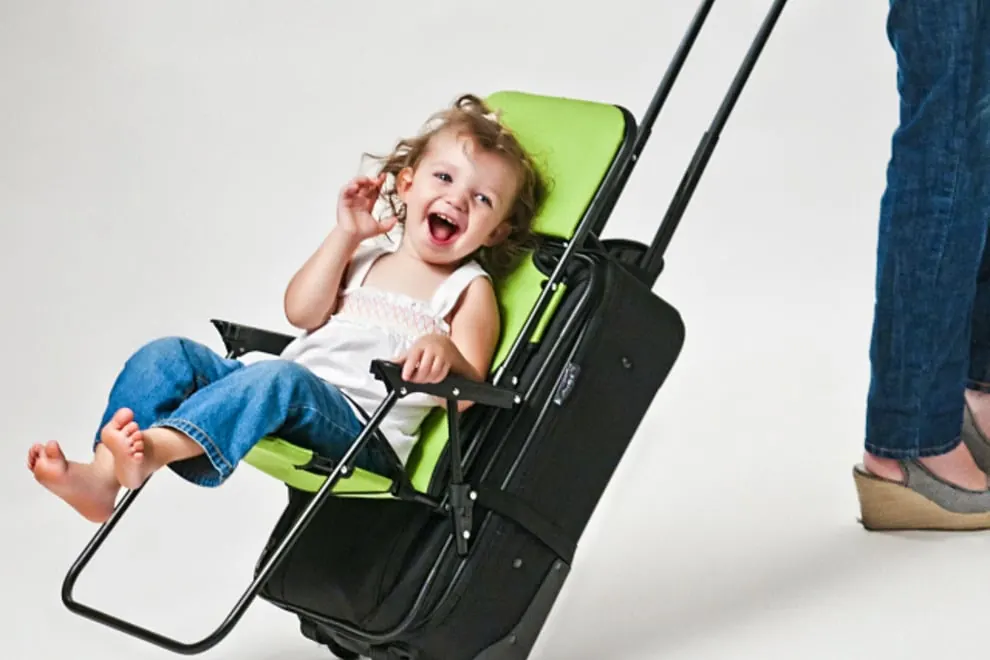
1. Ride-On Carry-On
Baby and Child Care · Season 2 · $50K deal with Barbara Corcoran
Affiliate link — we may earn a commission at no extra cost to you.
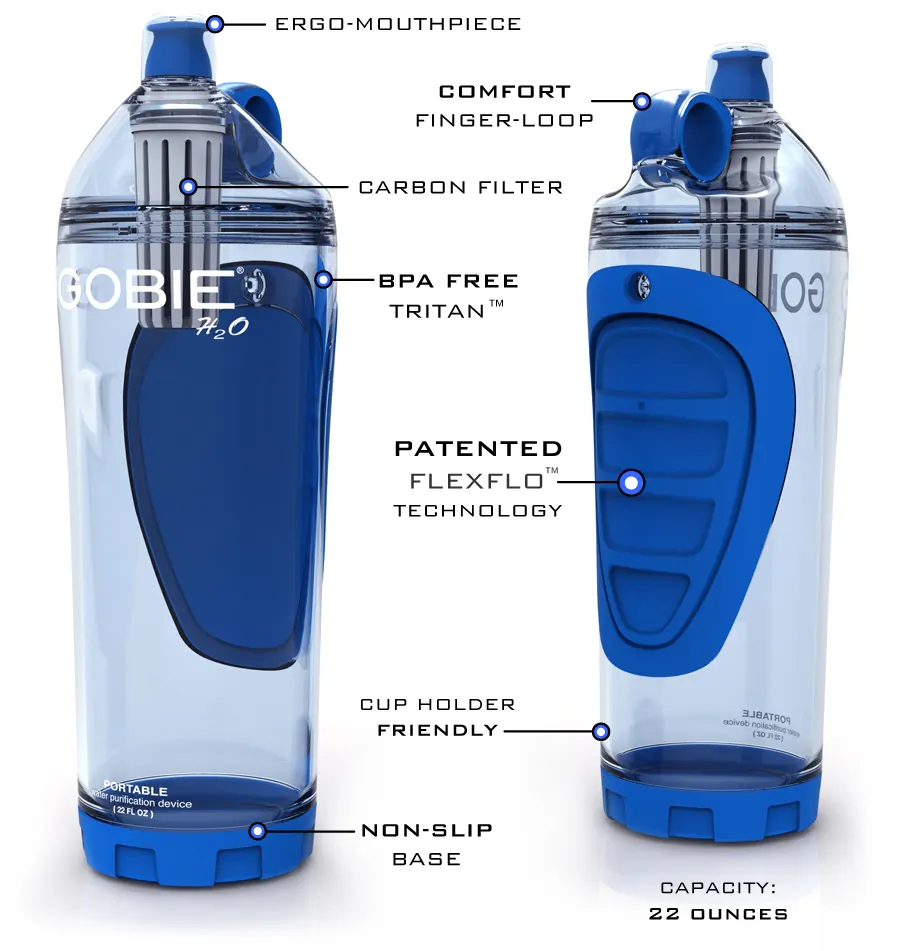
2. GOBIE H20
Water Bottles · Season 4 · $300K deal with Daymond John
Affiliate link — we may earn a commission at no extra cost to you.
3. Freeloader
Child Carrier - Baby and Child Care · Season 5 · $200K deal with Robert Herjavec
Affiliate link — we may earn a commission at no extra cost to you.
4. LuminAid
Electronics · Season 6 · $200K deal with Mark Cuban
Affiliate link — we may earn a commission at no extra cost to you.
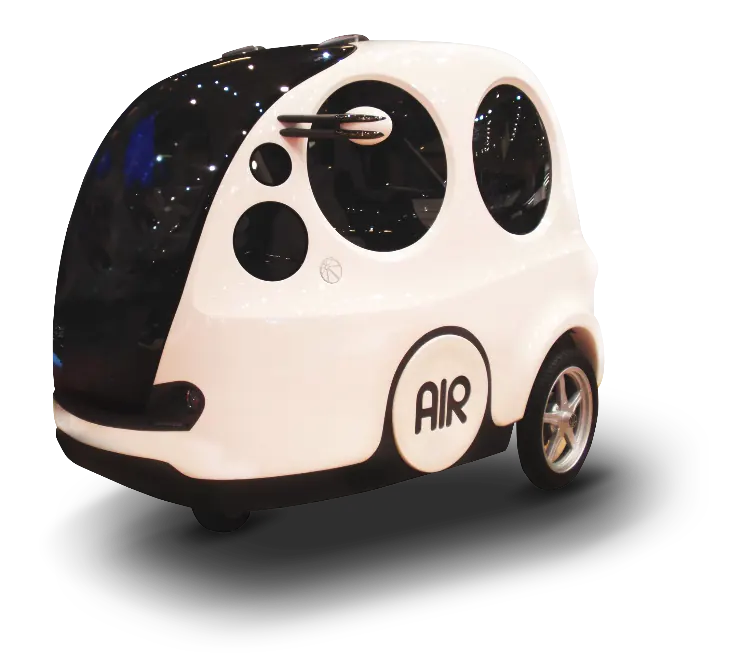
5. AirCar
Zero Pollution Motors - Automotive · Season 6 · $5M deal with Robert Herjavec
Affiliate link — we may earn a commission at no extra cost to you.
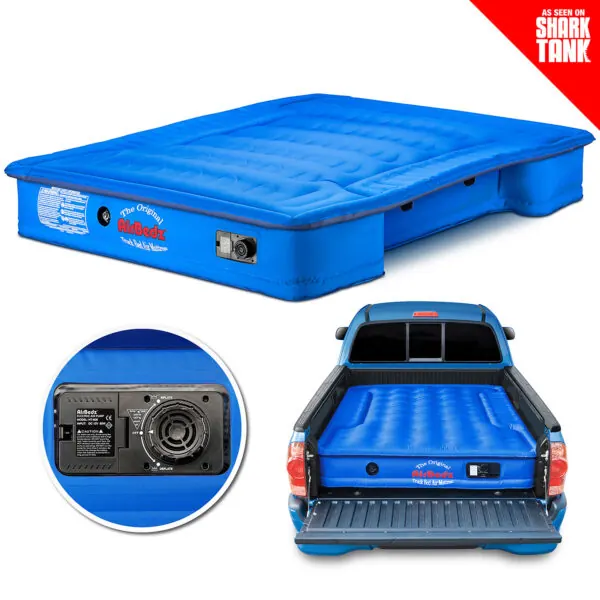
6. AirBedz
Furniture · Season 3
Affiliate link — we may earn a commission at no extra cost to you.
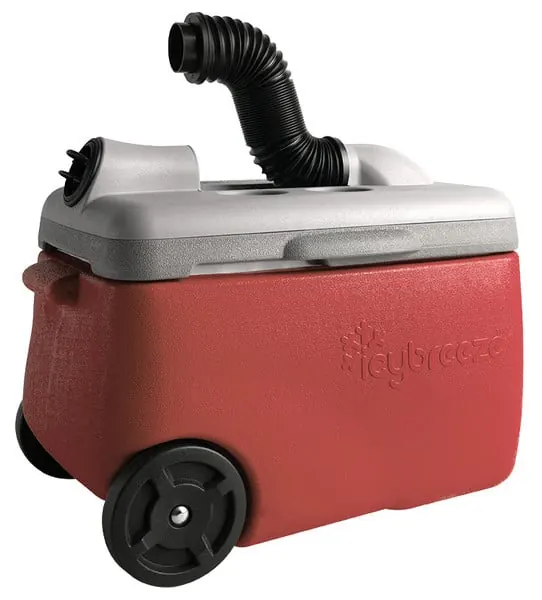
7. icybreeze
portable air conditioner built into a cooler · Season 7
Affiliate link — we may earn a commission at no extra cost to you.
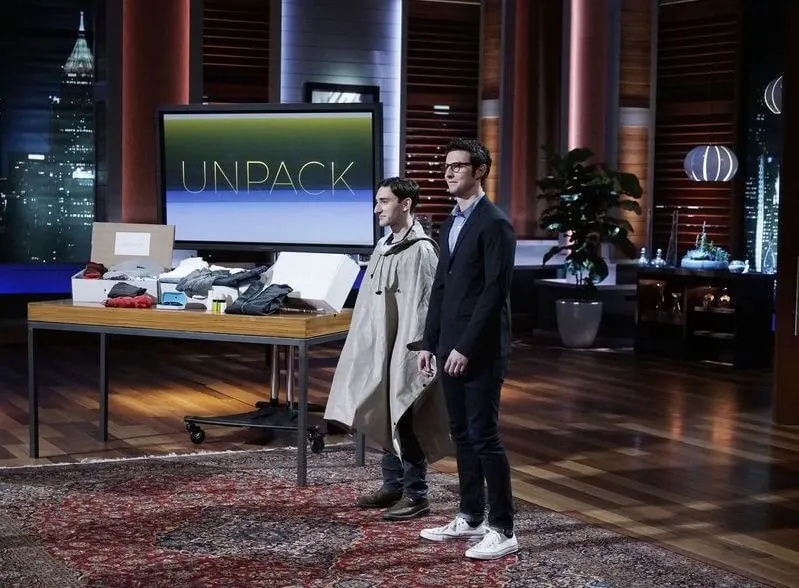
8. un Pack
service for travelers that delivers pre-packed clothing to hotels · Season 8
Affiliate link — we may earn a commission at no extra cost to you.
The biggest travel deals in Tank history
Ranked by the size of the check written on air:
- 1AirCar
Season 6 · Robert Herjavec
$5,000,000
for 50%
- 2GOBIE H20
Season 4 · Daymond John
$300,000
for 40%
- 3Freeloader
Season 5 · Robert Herjavec
$200,000
for 33%
- 4LuminAid
Season 6 · Mark Cuban
$200,000
for 15%
- 5Ride-On Carry-On
Season 2 · Barbara Corcoran
$50,000
for 25%
All 12 travel products
Browse the complete travel category: deal terms, sharks, and where to buy each one.