The Underdogs
Famous Shark Tank Rejects That Succeeded Anyway
The sharks passed. The companies won. The biggest Shark Tank no-deal success stories, proof that walking out empty-handed isn't the end.

A no from the sharks is supposed to be the end of the story. The lights dim, the founder walks the long hallway, and the segment cuts to the next pitch. For most people, that is exactly how it goes. But not always.
Roughly 39 percent of the businesses that step into the Tank leave without a deal. That number gets brushed off as failure. It is not. Some of the most valuable companies ever to walk that stage walked out empty-handed, and a few of them turned the rejection into the best thing that ever happened to them.
The Billion-Dollar Pass
Start with the one that still haunts the panel. Jamie Siminoff brought a video doorbell called DoorBot into Season 5 and asked for $700,000. The room was cold. Kevin O'Leary floated the only real offer, and the terms were rough enough that Siminoff turned them down. He left with nothing.
Then Amazon happened. The company, by then renamed Ring, sold to Amazon for over $1 billion. That is not a typo. A pitch the sharks effectively waved off became one of the biggest acquisitions in the show's orbit. People call it the most expensive pass in Shark Tank history, and it is hard to argue with that label.
Here is the lesson buried in it. The sharks are sharp, but they are reacting to a few minutes of television. They miss things. A no is a snapshot, not a verdict.
When Walking Away Was the Smart Move
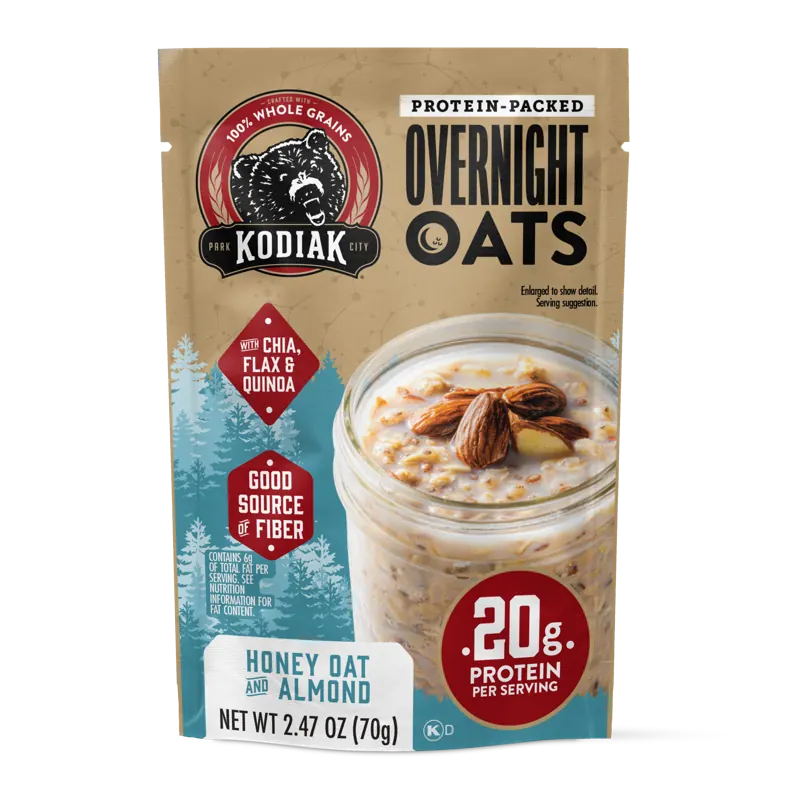
Kodiak Cakes tells a different version of the same story. The founders did get offers in Season 5. The catch was the price. Kevin O'Leary wanted 50 percent of the company. That is half. They said no and walked.
Keeping that equity turned out to matter. Kodiak kept building on its own terms and became one of the best-selling pancake brands in America. Imagine handing half of that away on national TV because the cameras were rolling and the pressure was on. They did not blink. Sometimes the winning move is refusing a bad deal, not landing a good one.
The Bouqs Company got no deal at all in Season 5. The online flower business just did not click with the panel that night. The twist came later. Robert Herjavec used The Bouqs for his own wedding, liked what he saw, circled back, and invested in a future round at a much higher valuation. The Tank said no first. Robert said yes second, on better terms for the company, after the business proved itself in real life.
The Confidence to Say No to $30 Million
The boldest move on this list belongs to Coffee Meets Bagel. In Season 6, the Kang sisters pitched their dating app and Mark Cuban put a number on the table that nobody had seen before: $30 million to buy the whole company. It was the largest offer in the show's history at the time.
They said no. On the spot. They believed the app was worth more than $30 million, and they were not willing to sell the thing they built for a check, even a check that size. Mark was stunned. The internet was stunned. The company went on to raise tens of millions in funding afterward.
Think about what that takes. You are standing in front of a billionaire who just offered you life-changing money, and your gut tells you to pass. Most people fold. The Kang sisters did not.
What the Rejects Actually Teach You
Pull these four together and a pattern shows up. None of them treated the sharks as the final authority. DoorBot kept selling. Kodiak kept its equity. The Bouqs kept proving the model until a shark came back on his own. Coffee Meets Bagel trusted its own valuation over the biggest offer in the room.
That is the real takeaway. Shark Tank is a launchpad, but it is not the only one. A deal is great when the terms are right. When they are not, the smartest founders keep their company, keep their conviction, and keep going. The 39 percent who leave without a check are not all failures. Some of them are just getting started.
So the next time a pitch ends with five nos and a quiet walk down the hallway, do not write that founder off. The most expensive pass in the show's history started exactly that way.
DoorBot
Season 5 · asked $700,000 for 10%
Jamie Siminoff asked for $700K for his video doorbell and walked out with nothing, Kevin O'Leary's offer was the only one on the table and the terms were brutal. Five years later, Amazon bought the company (renamed Ring) for over $1 billion. It is widely considered the most expensive pass in Shark Tank history.
Kodiak Cakes
Season 5 · asked $500,000 for 10%
The sharks offered deals, but only at terms the founders refused, Kevin wanted 50% of the company. Kodiak walked, kept building, and became one of the best-selling pancake brands in America, stocked in virtually every grocery chain.
The Bouqs Company
Season 5 · asked $258,000 for 3%
The online flower company got no love in the Tank. Years later, Robert Herjavec used them for his own wedding, came back around, and invested in a later round at many times the valuation he passed on.
Coffee Meets Bagel
Season 6 · asked $500,000 for 5%
The Kang sisters turned down Mark Cuban's $30 million buyout offer, the largest in show history at the time, because they believed the dating app was worth more. The sharks called it crazy; the company went on to raise tens of millions in venture funding and serve millions of users.
Browse the no-deal alumni
Every rejected pitch is on the index, the next sleeper hit is probably in there.
 No Deal
DoorBot
Home Security Solutions
 No Deal
Kodiak Cakes
Specialty Food
 No Deal
The Bouqs Company
Consumer Services
 No Deal
Coffee Meets Bagel
Online Services
Explore the full directory
Every product ever pitched on Shark Tank, with deal terms, the sharks who invested, and where to buy them today.